


Claims of Unfair Reporting
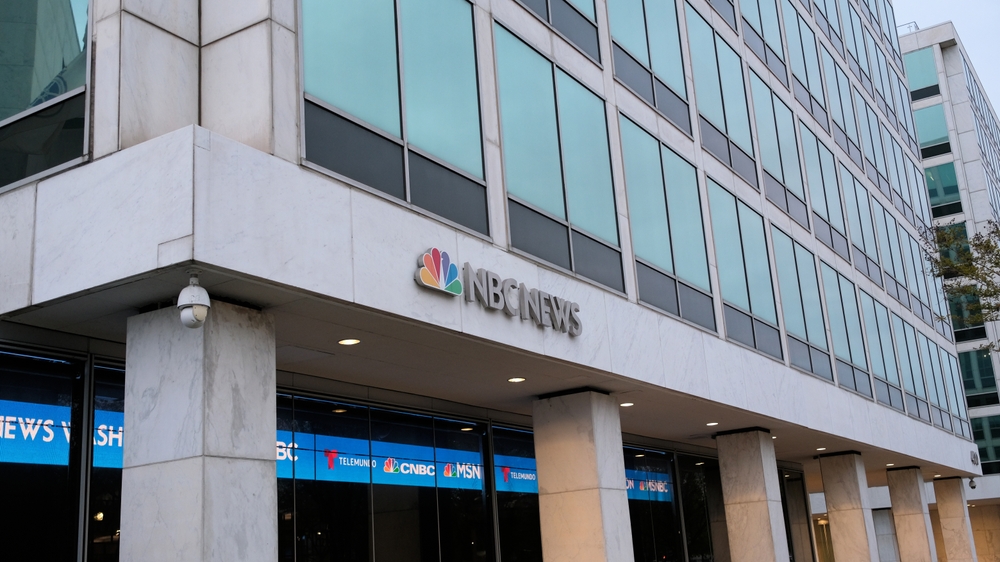
Donald Trump has escalated his confrontation with major media outlets, taking aim at ABC News and NBC News. He accused both broadcasters of producing overwhelmingly negative coverage and declared they should “face serious consequences.” On his platform Truth Social, Trump asserted that nearly all stories about him were critical, despite his widespread popularity. He further argued that Republicans and conservatives are routinely treated with bias.
Demands Toward the FCC
Pointing to the Federal Communications Commission (FCC), the body that regulates broadcasting in the U.S., Trump said the two networks function as “a branch of the Democratic Party.” He suggested their licenses be revoked and insisted they should at minimum be forced to pay significantly for the privilege of using the country’s most valuable frequencies. He branded ABC and NBC “among the most dishonest and prejudiced broadcasters in the world” and called them “a genuine danger to democracy.”
Constitutional Protections for the Press
In the U.S., broadcast licenses are generally valid for eight years and can only be withdrawn in cases of severe misconduct, not for unfavorable reporting. Constitutional protections guarantee freedom of the press. Nonetheless, during Trump’s second term, the FCC has increasingly been viewed as a vehicle for advancing his policy goals. Shortly after his election, he installed Republican Brendan Carr as its chairman.
Broader Disputes With Media Outlets
Trump has also targeted other news organizations. The Wall Street Journal was recently denied access to the presidential plane following a report linking Trump to convicted sex offender Jeffrey Epstein. The Associated Press remains barred from Air Force One after rejecting Trump’s order to rename the Gulf of Mexico as the “Gulf of America.”
