


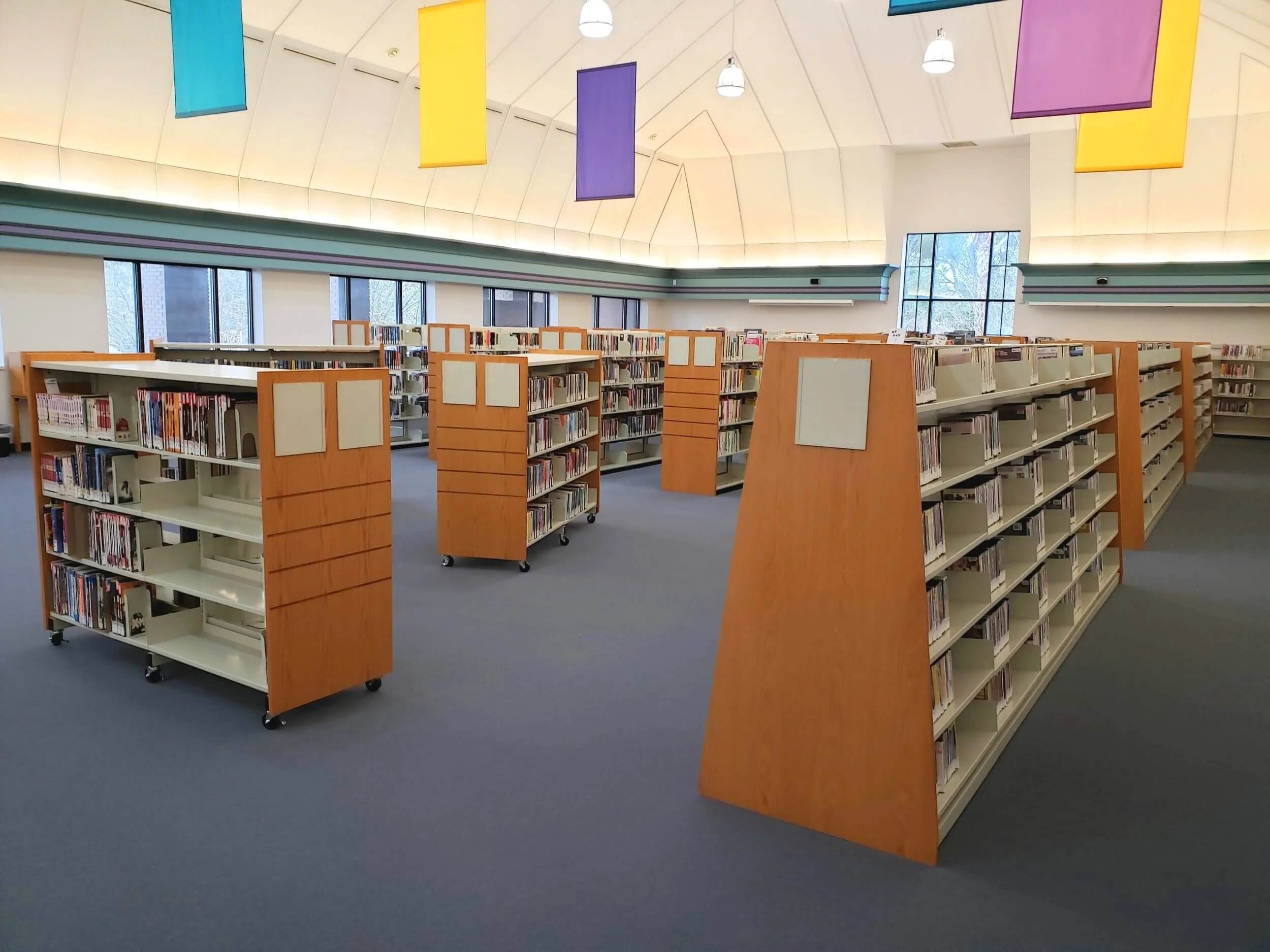
Libraries across the United States are seeing record attendance as new community programs bring people of all ages through their doors. Creative workshops, storytelling sessions, and technology classes have proven popular, helping libraries become central hubs for learning and engagement.
Many libraries have expanded beyond traditional book lending to offer interactive programs that meet the needs of their communities. In urban and rural areas alike, residents are finding that libraries now provide much more than quiet spaces for reading. The rise in attendance highlights the growing role of libraries as vibrant centers for education, creativity, and social interaction.
Library community programs are designed to engage all age groups. For children, story hours and craft workshops encourage reading and hands-on learning. Teen programs include coding clubs, digital media classes, and creative writing workshops. Adults are also benefiting from workshops on topics like resume building, financial literacy, and computer skills. These programs are helping bridge knowledge gaps and provide valuable resources to people who may have limited access elsewhere.
Public libraries report that attendance has surged since the introduction of these programs. A recent survey showed that more than 70% of libraries saw an increase in weekly visitors compared to last year. Library staff attribute the rise to a mix of engaging content, interactive learning, and a welcoming environment.
One key factor is accessibility. Libraries are offering programs in multiple formats, including in-person sessions, online workshops, and hybrid events. This approach allows people with busy schedules, transportation limitations, or mobility challenges to participate. It also ensures that community members can benefit from educational resources no matter their situation.
Storytelling events have also become a highlight. Local authors, performers, and educators share stories that reflect community culture and history. These events not only entertain but also strengthen local connections and preserve regional traditions. Families often attend together, creating opportunities for bonding and shared learning experiences.
Technology classes are another major draw. Many libraries now provide courses on coding, digital literacy, online safety, and using popular software. For older adults, these classes help close the digital divide, giving them the tools to stay connected and confident in today’s technology-driven world.
Library directors emphasize that the success of these programs is also rooted in partnerships. Collaborations with schools, local nonprofits, and cultural organizations have expanded the range of programming. Guest instructors, volunteer facilitators, and community experts bring new skills and knowledge to library events, enhancing the experience for attendees.
The community impact goes beyond education. Libraries are creating inclusive spaces where people feel safe to learn, explore, and express themselves. Attendance spikes also support funding efforts, as higher usage demonstrates the value libraries provide to the public. Local governments and donors are more likely to invest in facilities and services when programs show measurable results in community engagement.
Looking forward, libraries plan to continue expanding their offerings. Ideas include more STEM workshops, language learning classes, wellness programs, and cultural events. By responding to the interests and needs of their communities, libraries are redefining their role in society.
The rise in library attendance through community programs shows that public libraries are more than repositories for books. They are dynamic spaces where creativity, learning, and social interaction come together. These programs not only bring people through the doors but also strengthen the bonds within communities across the country.
