


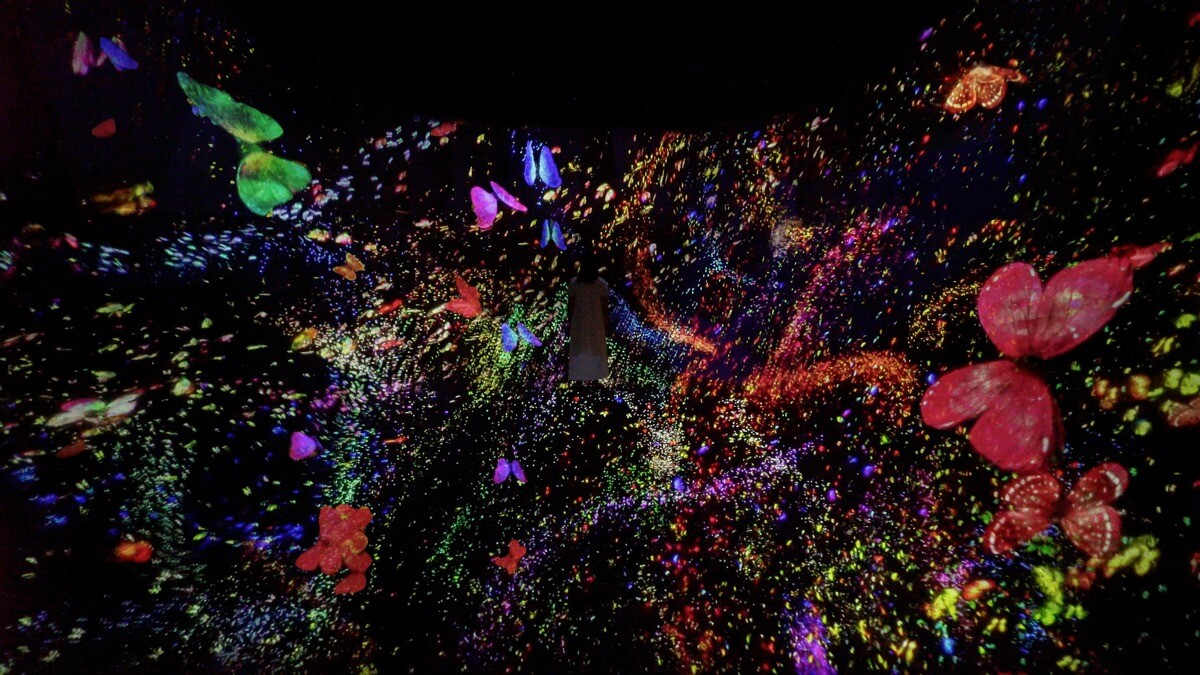
A California museum in San Francisco has opened a new interactive art exhibit, offering visitors the chance to create digital art in real-time. The exhibit combines modern technology with creativity, allowing each guest to leave a personal mark on the display.
The museum reported that the exhibit has attracted a wide range of visitors, from families to art enthusiasts. Many attendees have praised the experience for being engaging and accessible. Early indicators suggest a noticeable rise in foot traffic since the launch.
Visitors can use digital tools to paint, draw, and design in a shared virtual space. The exhibit also includes large screens that display artworks as they are created, giving everyone in the room a live view of the evolving pieces. This real-time interaction has been a major draw for those looking for hands-on art experiences.
Museum staff said the interactive setup is designed to encourage creativity without requiring prior artistic skills. Children, students, and adults can participate, making the exhibit suitable for all age groups. The tools include touchscreens, styluses, and motion-sensitive devices to make digital art creation intuitive.
The museum aims to provide an experience that goes beyond traditional art displays. By allowing visitors to actively contribute to the exhibit, it bridges the gap between audience and artwork. This approach is part of a broader trend in museums seeking to engage the public in immersive, participatory ways.
Experts in museum studies note that interactive exhibits can significantly enhance visitor satisfaction and retention. By blending technology with art, museums create memorable experiences that encourage repeat visits. The California museum’s new exhibit is already being cited as an example of this effective approach.
The exhibit is also expected to influence local tourism. Cultural attractions that offer interactive experiences often see higher engagement rates and social media sharing. Visitors frequently post images and videos of their creations online, generating organic promotion and wider public awareness.
In addition to creating art, guests can learn about digital techniques and artistic concepts through workshops and demonstrations offered alongside the exhibit. These educational components complement the hands-on experience, making it both fun and informative.
Museum officials say they will monitor the exhibit’s impact on visitor numbers and engagement over the coming months. Early feedback indicates that people are spending more time in the museum, exploring other collections after participating in the interactive section.
The launch has been accompanied by marketing campaigns targeting families, students, and tourists. Social media posts highlighting visitor creations have already gained significant attention, further boosting interest in the exhibit.
By combining art, technology, and interactivity, the museum has created a space where creativity is celebrated and shared. The interactive art exhibit not only draws crowds but also enhances the overall cultural experience, making art more approachable and enjoyable for everyone.
