


A sudden phone conversation between US President Donald Trump and Russian President Vladimir Putin on Thursday has shaken Kyiv’s diplomatic momentum. The two leaders agreed to meet soon to discuss the war in Ukraine, a move that caught Ukrainian officials completely off guard.
The timing could hardly have been worse. Within 24 hours, Russia launched dozens of missiles and over 300 drones across Ukraine. Civilian infrastructure once again took the brunt, damaging gas networks just as the first cold winds of winter began to blow. Power outages have spread nationwide, deepening fears of a dark and freezing season ahead.
Moscow’s strikes mask growing strain
For Ukraine’s government, the new wave of attacks reveals Russian exhaustion. The frontlines remain deadlocked, with huge losses for small territorial gains. Meanwhile, Ukraine’s increasingly effective drone strikes on Russian oil facilities are tightening the pressure on Moscow’s economy.
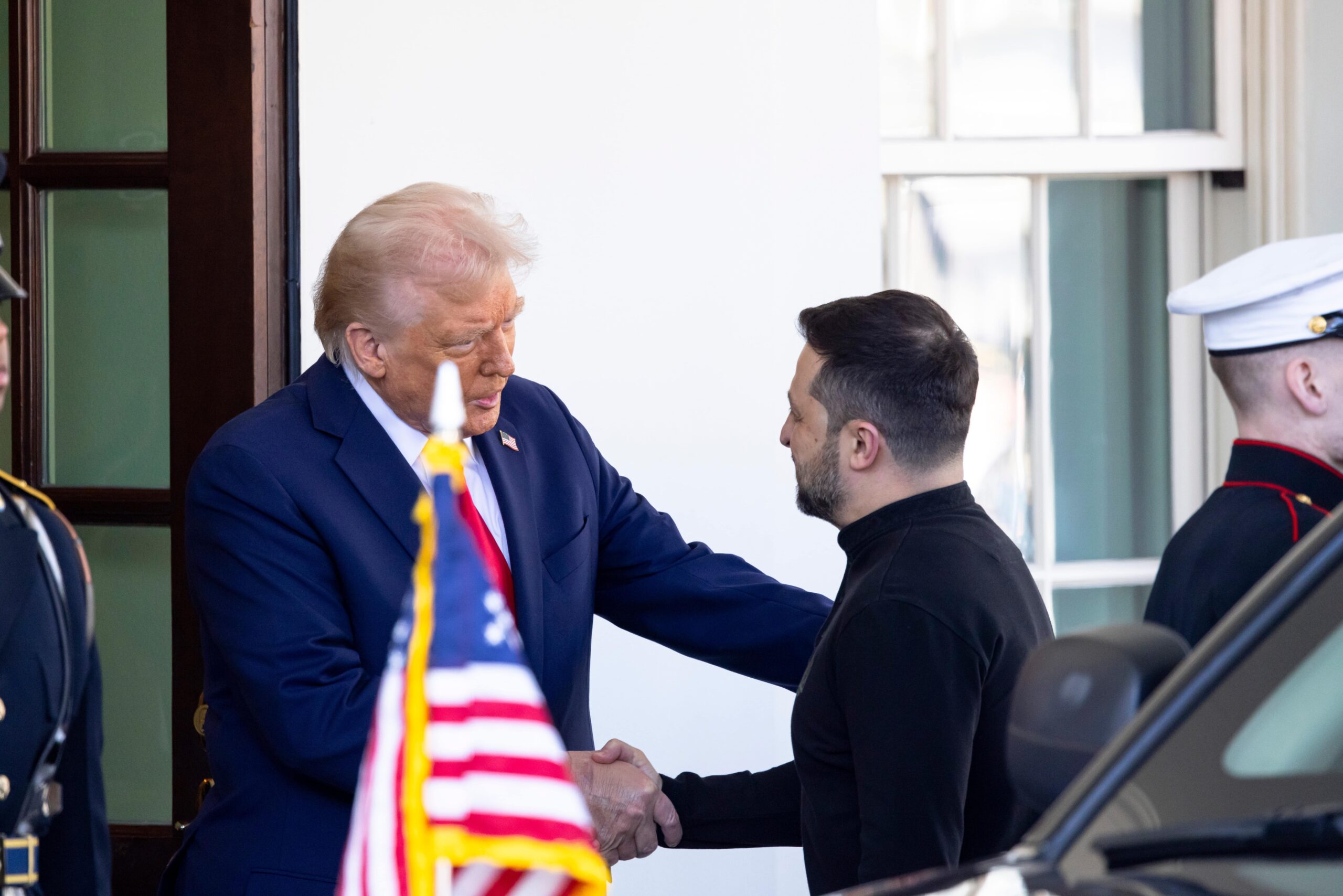
President Volodymyr Zelensky had hoped that his visit to Washington would unlock further US military aid. Before boarding his flight, he appeared confident that momentum was shifting his way. Optimism grew that Trump was finally seeing the war through Ukraine’s eyes—a dramatic change from February’s bitter Oval Office clash, when Trump accused him of “gambling with World War Three.”
Zelensky’s hopes rest on long-range firepower
After the failed Trump-Putin meeting in Alaska and Russia’s relentless assaults, Kyiv believed Trump’s patience with Putin was wearing thin. Ukrainian officials expected Friday’s White House talks to result in approval for long-range Tomahawk missiles.
Trump had even hinted at support earlier this week. “Do they want Tomahawks going in their direction? I don’t think so,” he told reporters. Military experts, however, question how soon such missiles could be deployed due to complex logistics.
Still, the weapons would be a powerful upgrade, enabling Ukraine to strike deeper into Russian territory and sending a sharp political message to Moscow about Washington’s shifting stance.
A call that changed the script mid-air
The Trump-Putin conversation lasted two and a half hours and took place while Zelensky was still in the air en route to Washington. The timing threatened to overshadow his diplomatic mission before it even began. Yet Zelensky tried to sound confident upon landing. He said Russia was “rushing to renew dialogue” because of the Tomahawk discussions.
Analysts, however, viewed the call differently. The Kremlin said Moscow had initiated it. Putin reportedly warned Trump that supplying Tomahawks would be seen as a major provocation. Both leaders also discussed what Russia called “colossal prospects” for trade if peace could be achieved.
They agreed to meet in Hungary within two weeks. Trump later described the phone call as “very productive.”
A winter of doubt for Kyiv
As Ukraine heads into its fourth winter of war, few citizens believe Trump can deliver peace. A woman injured in a Russian strike on a train carriage summed up the national mood from her hospital bed: “A person like Putin can’t be trusted.”
After arriving in Washington, Zelensky met representatives from leading defense companies to discuss the advanced weapons his country urgently needs. He still plans to request Tomahawks, though the chances of success now appear weaker than ever.
The cycle of persuasion continues
Each time Trump grows irritated with Putin’s actions, a single conversation seems to cool the tension. Putin’s words often ease Trump’s frustration, softening his stance on sanctions and weapons aid.
The planned Hungary summit, announced without clear conditions, suggests Washington’s patience remains limited. For now, Ukraine’s hopes for long-range missiles have faded. Instead of a breakthrough, Zelensky finds himself facing a setback born not of battle, but of diplomacy.
