


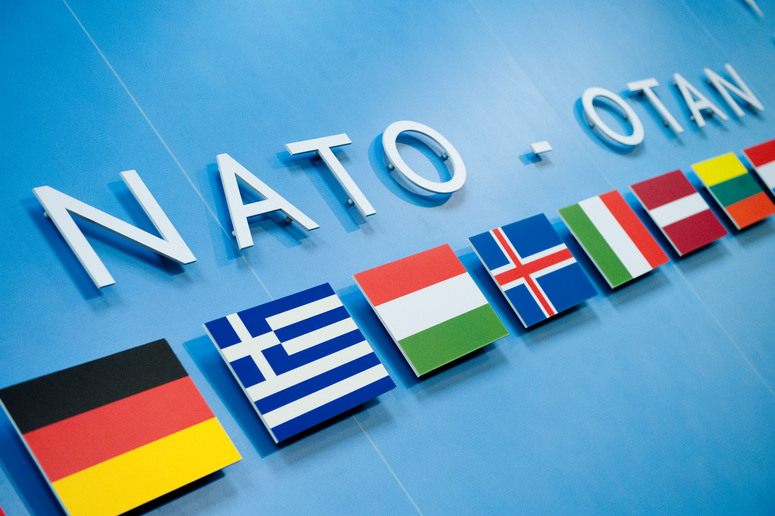
European NATO members are emphasizing unity and resilience as external threats challenge the region’s security. The alliance, with strong backing from the United States, is reinforcing collective defense measures and demonstrating its commitment to shared security.
NATO officials highlighted the importance of cohesion among member states. In recent months, rising geopolitical tensions and global uncertainties have underscored the need for coordinated action. European members have responded by enhancing military readiness, conducting joint exercises, and improving strategic communication.
The United States has played a key role in supporting European allies. Military aid, intelligence sharing, and joint training initiatives aim to strengthen NATO’s defensive capabilities. U.S. officials stress that maintaining a united front is essential to deter potential aggressors and safeguard regional stability.
Recent exercises have showcased NATO’s operational readiness. Troops from multiple countries participated in coordinated drills, testing air, land, and sea capabilities. These exercises are designed to improve interoperability, ensuring that forces can respond effectively to a variety of security challenges.
Analysts note that NATO’s unity sends a strong signal to external actors. By presenting a cohesive and prepared alliance, member states can deter aggression and reduce the risk of escalation. Political and military solidarity remains a central principle of NATO’s strategy.
European NATO members are also investing in modernizing their defense infrastructure. Advanced equipment, upgraded communication systems, and cybersecurity measures are being prioritized. These initiatives enhance both defensive and deterrence capabilities, making the alliance more resilient against diverse threats.
Beyond military measures, NATO emphasizes diplomatic engagement. Coordination on policy, intelligence sharing, and strategic planning strengthens the alliance’s overall response. Political unity ensures that member states act in concert during crises, reinforcing collective security.
The U.S. continues to advocate for sustained support and investment from European allies. Officials stress that a strong, united NATO benefits all members and contributes to broader global stability. Collaboration on defense initiatives, joint research, and technology development are key components of this strategy.
Experts highlight that NATO’s cohesive approach has both practical and symbolic importance. Operational readiness, combined with visible unity, demonstrates commitment to collective defense. This approach reassures citizens, deters potential threats, and strengthens international partnerships.
Public statements from NATO leaders emphasize vigilance and preparedness. Members reaffirm that the alliance will respond decisively to any threats against its territories. Coordination between political and military leadership ensures swift and effective action if required.
In conclusion, European NATO members, supported by the U.S., are demonstrating resilience and unity in the face of external challenges. Through strengthened military readiness, diplomatic coordination, and shared strategic planning, the alliance remains a key pillar of regional and global security.
