


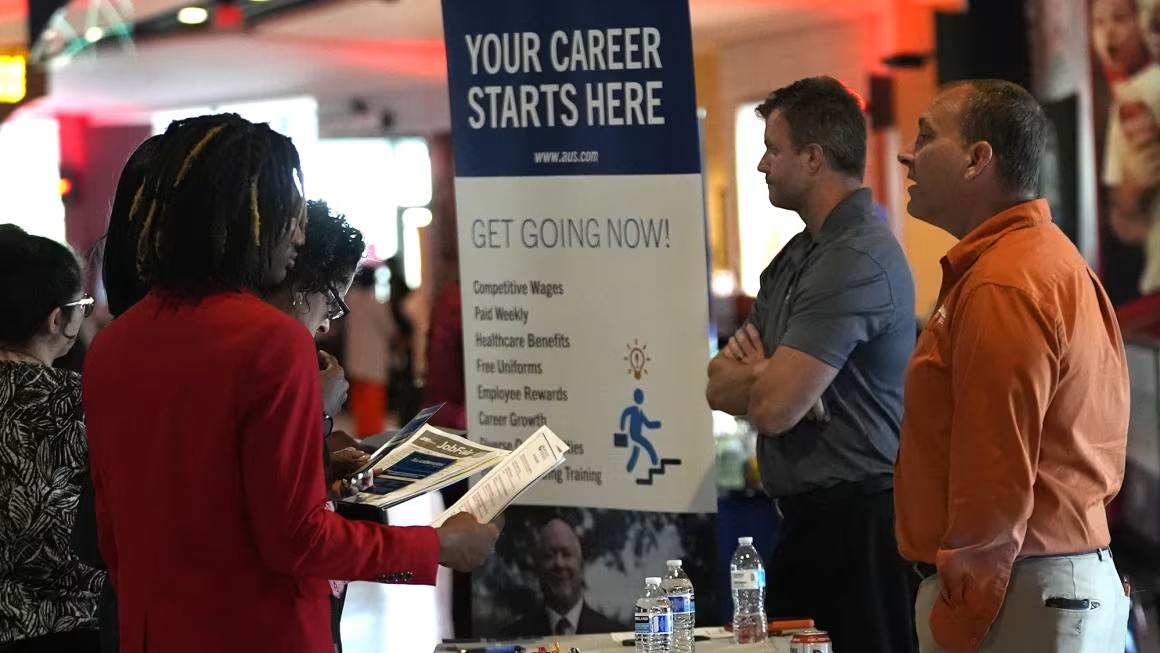
The U.S. labor market is showing signs of a “Great Freeze,” a period marked by limited hiring and minimal layoffs. While current employees enjoy job security, the trend presents challenges for job seekers and those aiming to advance their careers.
Recent reports indicate that many companies are hesitant to expand staff, even as economic growth continues. This cautious approach reflects uncertainty in the market, with firms prioritizing stability over aggressive recruitment.
Low turnover and restrained hiring mean existing employees are less likely to face layoffs, creating a sense of security. Analysts say this stability can benefit workers who remain in their positions, as companies focus on retention and productivity rather than expansion.
However, the “Great Freeze” also limits opportunities for those seeking new roles. Unemployed individuals and employees looking to switch jobs or climb the career ladder face fewer openings, slowing career mobility and workforce movement.
Economic experts note that this trend is partly influenced by companies’ desire to maintain costs amid fluctuating economic conditions. “Businesses are cautious, hiring only when necessary. This strategy helps them control expenses while keeping current staff employed,” said a labor economist.
Industries such as technology, healthcare, and professional services have seen minimal workforce growth, even as demand for their products and services remains steady. Companies are increasingly investing in automation and productivity improvements to meet demand without hiring additional staff.
The phenomenon also affects wage growth. With fewer new positions available, companies have less pressure to increase salaries to attract talent. Existing employees may see slower wage increases, while competition for available roles remains intense.
Despite these challenges, some sectors continue to expand selectively. Specialized roles in AI, cybersecurity, and advanced manufacturing are still in demand, highlighting areas where skilled professionals can find opportunities.
Job seekers are advised to focus on upskilling and niche expertise to remain competitive in this environment. Online training, certifications, and professional development can help candidates stand out in a limited job market.
The “Great Freeze” reflects broader labor market trends in the U.S., where stability for current workers coexists with fewer openings for new entrants. While companies maintain employment security, the limited job creation slows workforce mobility and economic flexibility.
Overall, U.S. labor market trends suggest a cautious balance. Employees enjoy reduced risk of layoffs, yet the scarcity of new positions presents obstacles for job seekers. Analysts expect this pattern to persist until economic conditions encourage more aggressive hiring.
This trend underscores the importance of strategic workforce planning for both businesses and employees. Companies aim to remain resilient, while individuals must adapt to a labor market that favors retention over rapid expansion.
