


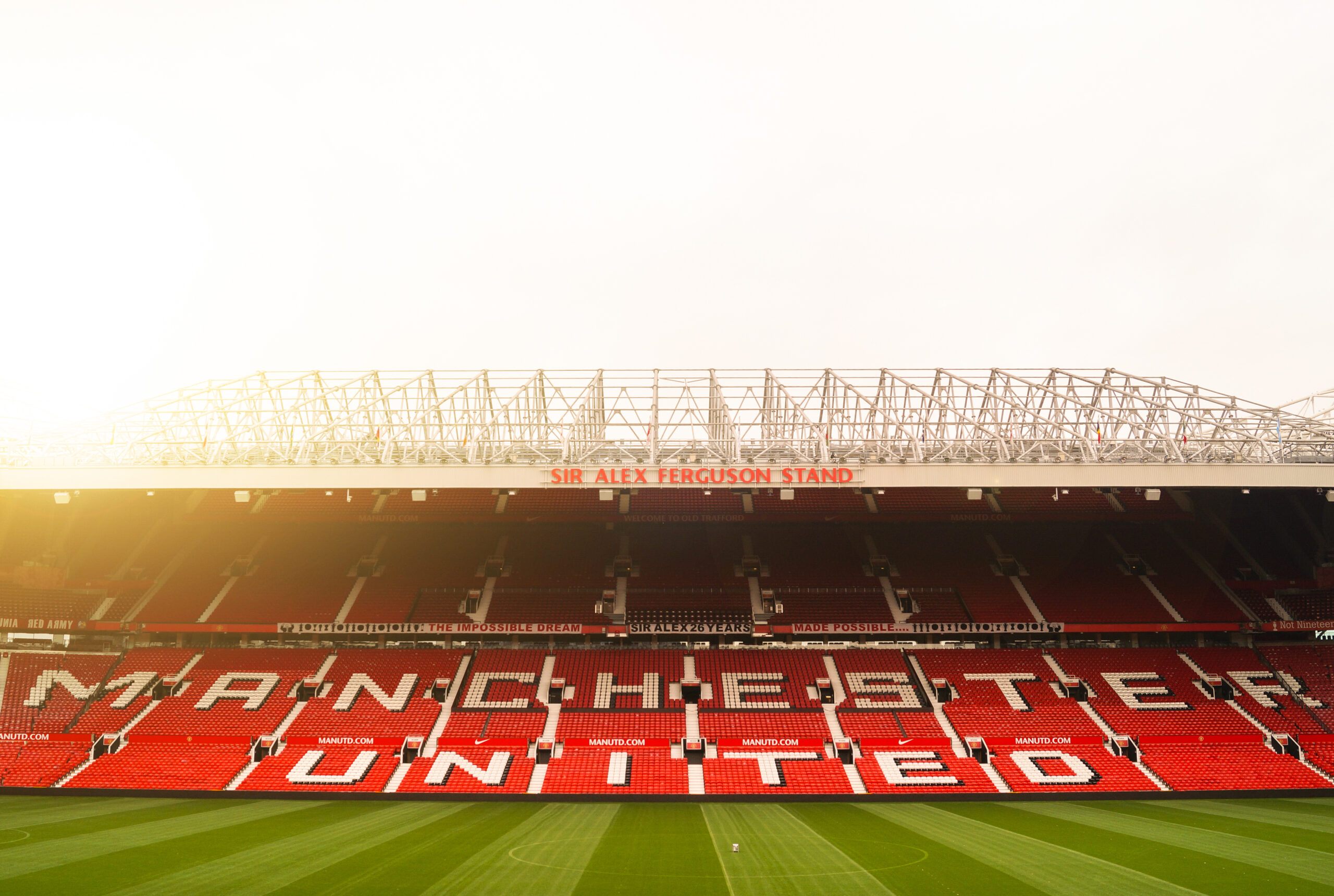
Manchester United’s proposal to introduce personal seat licences (PSLs) to help fund a £2bn Old Trafford redevelopment has been thrown into doubt by the UK government’s tougher stance on ticket touting.
The PSL model United have been exploring would allow licence holders to resell match or season tickets at a profit — a key feature that may soon be illegal. New legislation announced this week intends to ban resale of sports and music tickets above face value, replacing earlier plans to permit a 30% mark-up. Although football ticket resale is already prohibited under the 1994 Criminal Justice Act, government sources say they would oppose any attempt by United to create a sanctioned secondary market for PSL holders.
PSLs, widely used in US sports, give supporters the right to purchase a specific seat for a set period — but the licence itself often becomes a tradable asset. United consulted fans this year through a large-scale survey run by CSL International, which included questions about resale possibilities.
If resale profits are banned, experts say PSLs could become far less attractive, potentially forcing United to reduce prices. Reports suggest the club has considered charging £4,000 for a 30-year licence.
Under the current concept, PSLs would apply only to premium seating, guaranteeing licence holders the same spot every year. If a licence holder chose not to buy a season ticket, their licence would be revoked.
The model differs from debentures at Wimbledon or Twickenham, which involve loans repaid after a set period and are not treated as secondary ticketing. Government consultations have not yet included United, as the scheme is still in development.
United declined to comment but have indicated they will comply fully with any legislation.
