


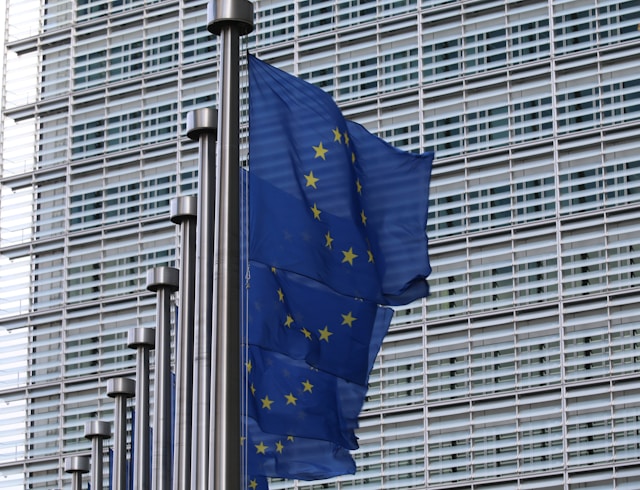
The EU plans to end all dependence on Russian gas and LNG by late 2026 and mid-2027.
Lawmakers approved a ban that blocks Russian pipeline gas and LNG, while granting limited emergency exceptions to Hungary and Slovakia.
The rules state that short-term contracts signed before June 2025 will face phased bans starting in April and June 2026.
Long-term LNG deals may continue until January 2027, while long-term pipeline contracts face a ban from September 2027, possibly shifting to November 2027.
Member states accelerated efforts to diversify energy supplies after Russia’s 2022 invasion of Ukraine sent prices soaring across Europe.
EU data shows dependence on Russian gas fell from 45% pre-invasion to 13% in early 2025, although imports still totalled €10 billion.
Political Clash Over Exceptions
Many EU countries supported the ban, insisting it weakens Moscow’s ability to finance the war in Ukraine.
Landlocked states raised fears about supply security and competitive disadvantages due to higher prices.
Parliament opposed exemptions but ultimately accepted them to break negotiations deadlock.
Hungary and Slovakia plan to challenge the law, accusing Brussels of imposing an unfair mandate.
Both countries’ leaders maintain friendlier relations with the Kremlin than most European counterparts.
EU lawmakers agreed to add a suspension clause triggered only if a state declares an emergency with less than 90% storage by November 1.
Member states must now create national plans outlining steps to end Russian gas and oil imports by March 2026.
Leaders Declare a Turning Point
The EU also banned imports through the TurkStream pipeline unless companies prove the gas only transited Russia or Belarus.
Commission President Ursula von der Leyen described the accord as the moment Europe secures full independence from Russian energy.
She said the bloc aims to weaken Russia’s war finances while building new energy partnerships.
Energy Commissioner Dan Jørgensen insisted Europe will never return to dependence, volatility, or market manipulation from Moscow.
Lead Parliament negotiator Thomas Pellerin-Carlin argued the law protects European jobs and prevents Russian interference in the market.
He said the price spikes of 2021 and 2022 reflected a deliberate gas shock rather than a simple energy crisis.
Energy ministers will vote on the final text on December 15, followed by a parliamentary vote the same week.
