


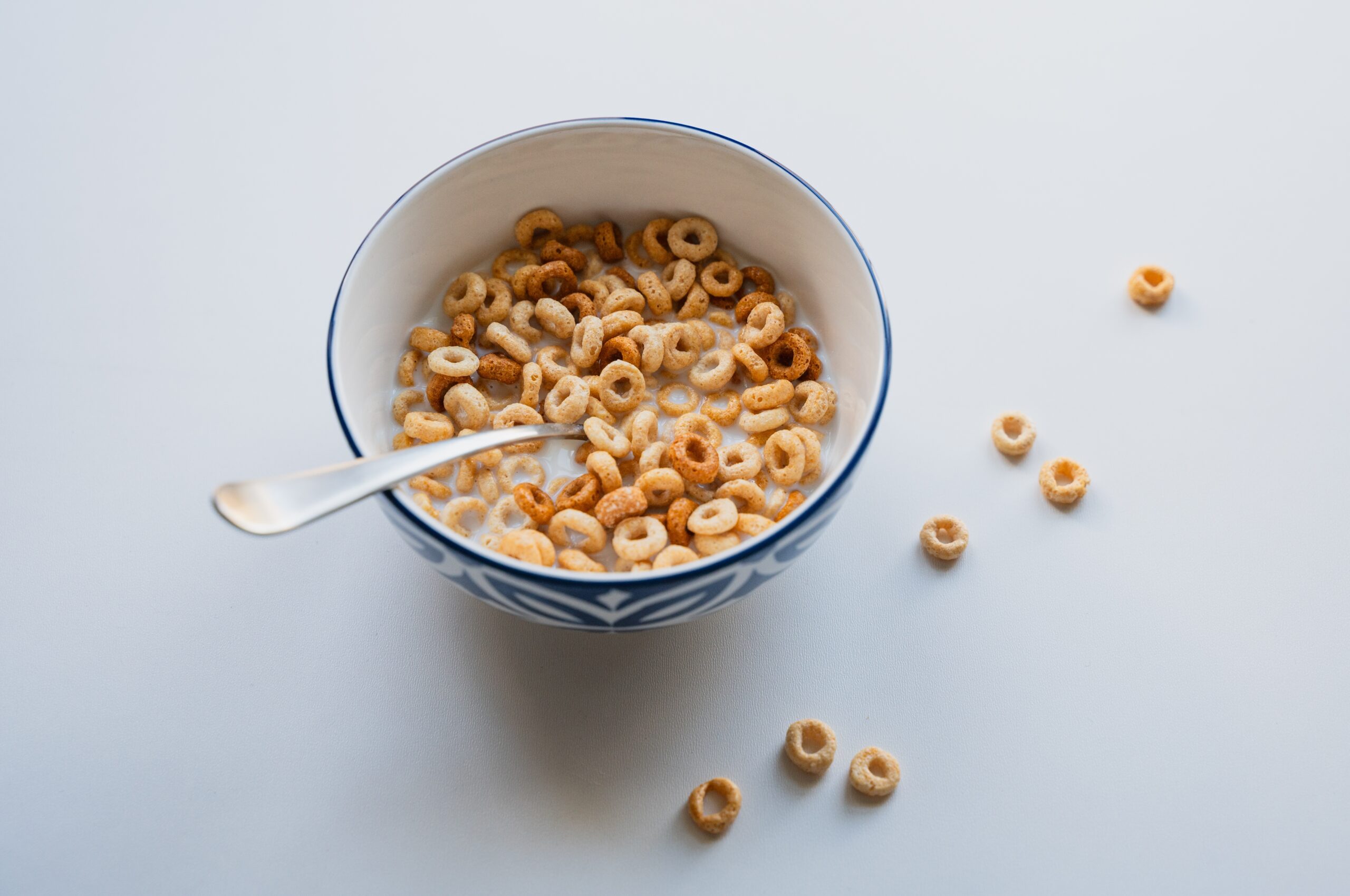
A new study has detected widespread contamination of European cereal products with trifluoroacetic acid (TFA), a breakdown product of pesticides containing PFAS — the group of so-called “forever chemicals.” According to Pesticide Action Network Europe (PAN), TFA levels in breakfast cereals were on average 100 times higher than those found in tap water, making cereal products the most contaminated category.
Researchers analysed 65 cereal items from 16 European countries, including bread, pasta, croissants, flour and sweets. TFA was found in over 81% of samples, with wheat-based products showing the highest concentrations. The most contaminated food tested was an Irish breakfast cereal, followed by Belgian and German wholemeal bread, and French baguette.
PFAS chemicals have been widely used since the 1950s, and are notoriously persistent — taking centuries or longer to break down. Once they enter soil or water, they can accumulate in plants and enter the food chain. TFA is considered reprotoxic and has been linked to potential impacts on fertility, fetal development, thyroid function, liver health and the immune system.
Campaigners warn current safety limits are insufficient and call for stricter regulation, including a ban on PFAS pesticides. PAN Europe stressed that governments do not currently monitor TFA levels in food.
“All people are exposed to TFA through food and water,” said Salomé Roynel of PAN. “This demands immediate action.” The organisation argues that children are especially vulnerable, urging authorities to tighten residue limits and eliminate PFAS chemicals from agriculture.
Although the UK was not part of this study, PFAS-based pesticides remain widely used there, with 27 known PFAS active ingredients approved — six classified as highly hazardous. Environmental groups say the findings highlight the need for rapid policy reform across Europe and the UK to prevent further contamination of food supplies.
