


Officials highlighted fake websites and political ads during Moldova’s recent election and cited fake news sites spreading videos with false claims about Ukrainian President Volodymyr Zelenskyy that aimed to weaken public backing.
The UK announced new sanctions against Russian media and ideological outlets as the foreign secretary urged Western nations to strengthen their defences against information warfare from hostile foreign states.
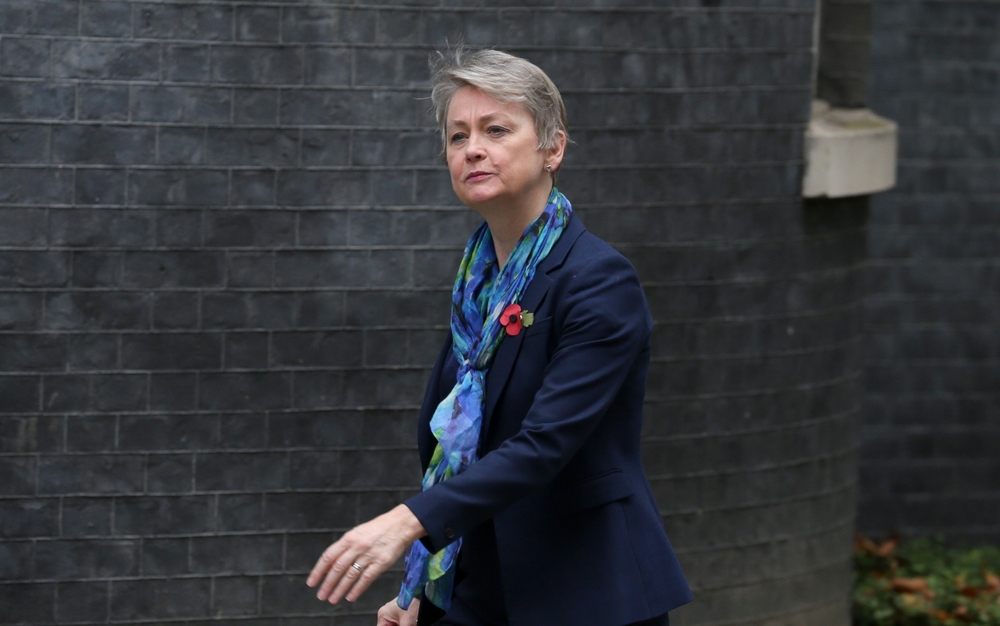
Foreign Secretary Yvette Cooper confirmed sanctions on the Telegram channel Rybar, the Foundation for the Support and Protection of the Rights of Compatriots Living Abroad, and the Centre for Geopolitical Expertise, which Estonian intelligence links to Russia’s GRU.
She also sanctioned two China-based companies for wide-ranging cyberattacks against the UK and its partners.
UK Warns of Intensifying Hybrid Threats
Cooper told an audience at the Foreign Office that Britain and its allies face escalating hybrid threats designed to damage infrastructure, weaken national interests, and interfere in democratic systems.
She labelled these actions as Russian information warfare and stressed that the UK now acts in self-defence.
She said hostile actors use sabotage and coordinated disinformation campaigns that inundate social platforms with AI-generated and manipulated videos to erode Western support for Ukraine’s resistance to Russia’s full-scale invasion.
British officials again cited Moldova’s election deception efforts and the false Zelenskyy videos as recent examples of targeted manipulation.
Call for Unity Amid Global Uncertainty
Cooper delivered her address on the 100th anniversary of the Locarno Treaties, which once reinforced peace across Europe after World War I.
She emphasised the need for strong international cooperation at a time when US President Donald Trump continues to disrupt established alliances and cast doubt on America’s NATO commitments.
Cooper, after meeting US Secretary of State Marco Rubio in Washington, said their discussions reaffirmed the strength of the United States’ support for NATO.
