


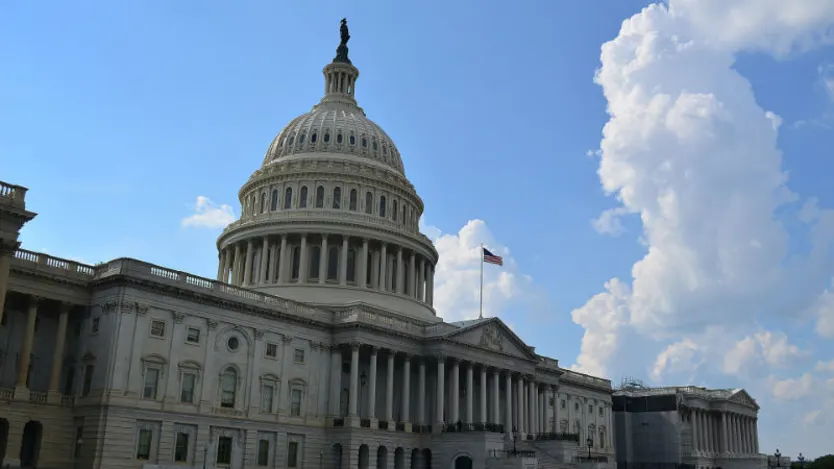
Lawmakers are moving forward with plans to reauthorize and expand the U.S. Development Finance Corporation (DFC), signaling bipartisan support for strengthening American and global development finance initiatives. The proposed legislation would enhance the DFC’s ability to back projects that promote economic growth, sustainability, and innovation worldwide.
The DFC plays a critical role in financing infrastructure, energy, and technology projects in developing countries while supporting U.S. strategic interests. Reauthorization would allow the agency to increase funding and expand its portfolio, helping both American companies and international partners achieve long-term development goals.
Key provisions under consideration include higher investment ceilings, expanded risk mitigation tools, and additional flexibility in financing projects. Lawmakers emphasized that strengthening the DFC enhances U.S. competitiveness while promoting inclusive economic growth abroad.
Supporters note that the DFC enables private sector participation in global development projects that might otherwise lack sufficient funding. By combining federal backing with private capital, the agency encourages innovation, creates jobs, and fosters economic stability in partner countries.
Bipartisan support for the reauthorization reflects recognition of the DFC’s role in advancing U.S. foreign policy and economic objectives. Lawmakers from both parties have highlighted the agency’s contributions to global infrastructure, clean energy, and technology initiatives as reasons for expanded support.
The proposed legislation also seeks to improve transparency, accountability, and oversight, ensuring that projects are aligned with ethical and environmental standards. Officials stress that strong governance is essential for maximizing the impact of development finance programs.
Experts say that increasing the DFC’s capacity can accelerate investment in critical sectors such as renewable energy, digital infrastructure, and healthcare. Expanding the agency’s reach helps promote sustainable development while supporting U.S. economic and strategic priorities.
The reauthorization is expected to boost confidence among American investors seeking opportunities in emerging markets. By providing additional funding and risk-sharing mechanisms, the DFC helps mitigate financial risks and encourages long-term commitments from private sector partners.
Lawmakers also note that the expanded DFC can help address global challenges such as climate change, energy security, and access to essential services. By investing in innovative solutions, the agency supports projects that deliver tangible benefits to local communities while advancing U.S. interests.
Observers say that the reauthorization could strengthen the DFC’s ability to respond to emerging global opportunities and crises. By increasing funding flexibility and capacity, the agency can act more quickly and effectively to support high-impact projects.
The proposed expansion also highlights the importance of public-private collaboration in development finance. Combining federal resources with private capital allows the DFC to leverage investments for greater impact, creating sustainable economic growth in partner nations.
Analysts emphasize that a stronger DFC aligns with U.S. goals of fostering innovation, building resilient infrastructure, and promoting ethical investment practices globally. Enhanced funding and expanded capacity ensure the agency remains a key tool for advancing development objectives.
Lawmakers say that reauthorizing and strengthening the DFC demonstrates the United States’ commitment to global economic leadership. By supporting projects that create jobs, drive innovation, and foster stability abroad, the agency reinforces U.S. influence in critical regions.
Overall, momentum is building in Congress for the reauthorization of the U.S. Development Finance Corporation. Expanding the agency’s capacity promises to benefit American companies, partner countries, and global development goals while supporting U.S. economic and strategic priorities.
