


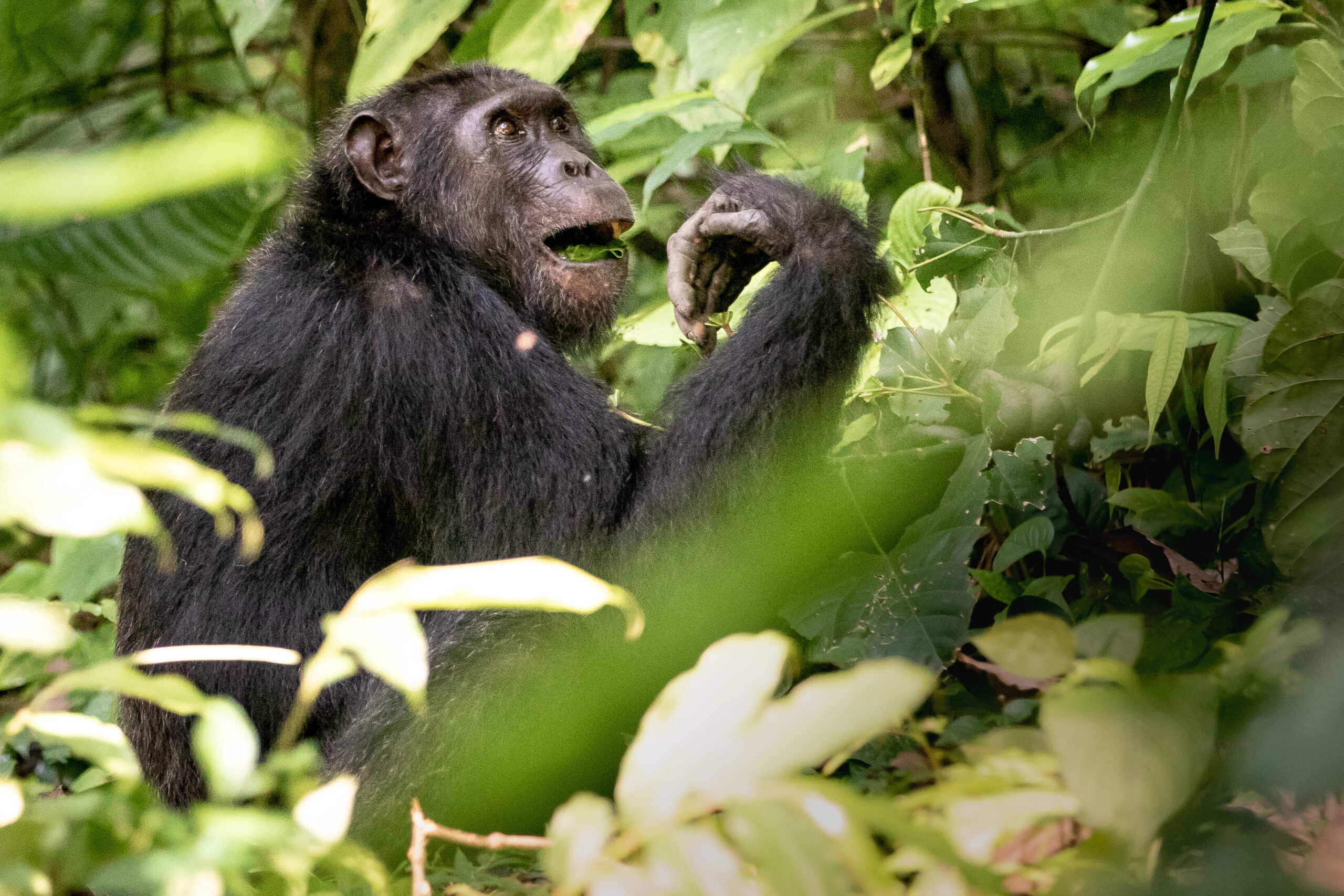
Same-sex sexual behaviour among non-human primates may help reinforce social bonds and maintain group cohesion during periods of environmental or social stress, according to new research. Writing in Nature Ecology & Evolution, researchers analysed reports across 59 primate species, including chimpanzees, Barbary macaques and mountain gorillas, finding the behaviour to be widespread.
The study, led by scientists from Imperial College London, suggests such behaviour is more common in species living in harsh, dry environments with scarce resources and higher predation risks. It was also linked to longer lifespans, pronounced size differences between males and females, and complex social hierarchies, all factors associated with intense social competition.
Researchers argue the behaviour likely serves an affiliative function, reducing tension, limiting aggression and strengthening bonds within groups. While cautioning against direct comparisons with humans, the authors note early human species may have faced similar pressures. External experts said the findings highlight same-sex behaviour as a common and adaptive feature of primate social life, though they warned against oversimplifying or directly mapping animal behaviour onto human sexuality.
