


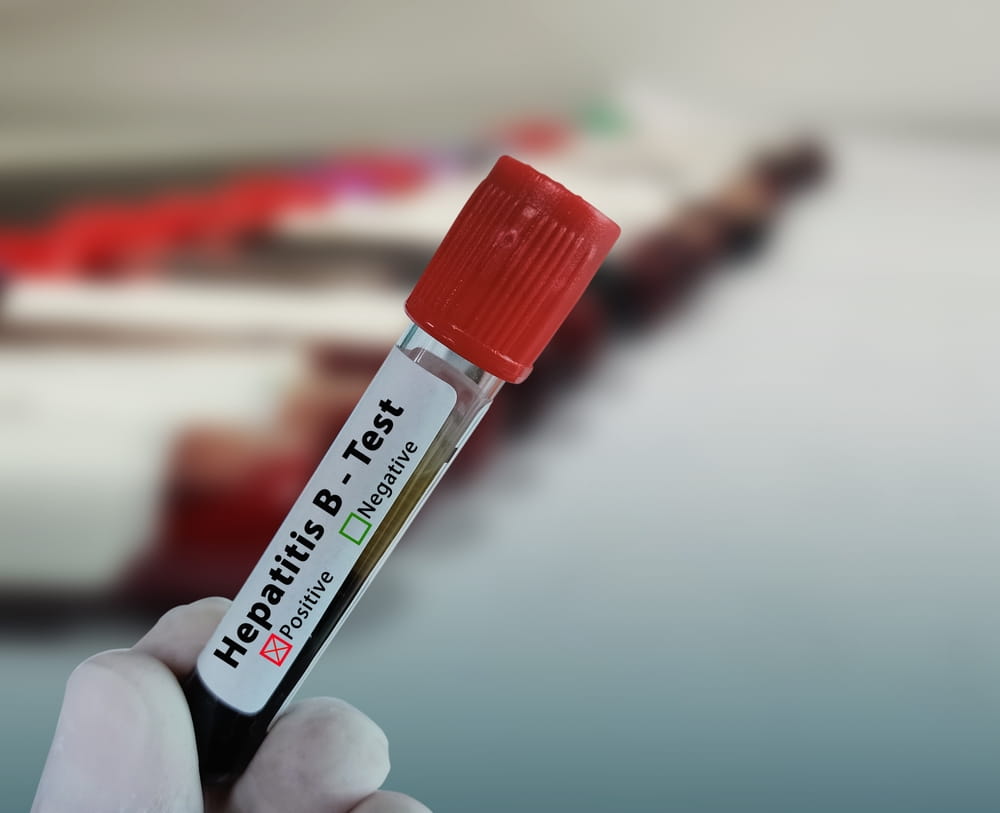
A controversial US-funded study examining hepatitis B vaccination among newborns in Guinea-Bissau has been cancelled following widespread ethical concerns. The decision was confirmed by Yap Boum, a senior official at the Africa Centres for Disease Control and Prevention, who said the trial’s design raised serious questions about withholding a proven, life-saving vaccine in a country with a high burden of the disease.
The $1.6m study, overseen by the US Department of Health and Human Services under Secretary Robert F Kennedy Jr, had drawn criticism for proposing to vaccinate only half of the newborns involved, leaving the rest unprotected. Africa CDC said it supported research that informs policy but stressed this must be done within accepted ethical standards. While some officials in Guinea-Bissau initially suggested the trial could continue if redesigned, a senior government figure later confirmed it had been halted due to ethical concerns.
Guinea-Bissau will continue its current vaccination schedule, with a universal hepatitis B birth dose planned for 2027 when vaccine supply improves. Experts welcomed the cancellation as a victory for ethical research, with infectious disease specialist Paul Offit calling it “extremely heartening” and likening the original proposal to historic unethical trials. Critics also warned that such studies risk long-term harm by exploiting vaccine scarcity in vulnerable populations rather than addressing the underlying access problem.
