


Melting Ice Opens New Routes — and New Risks
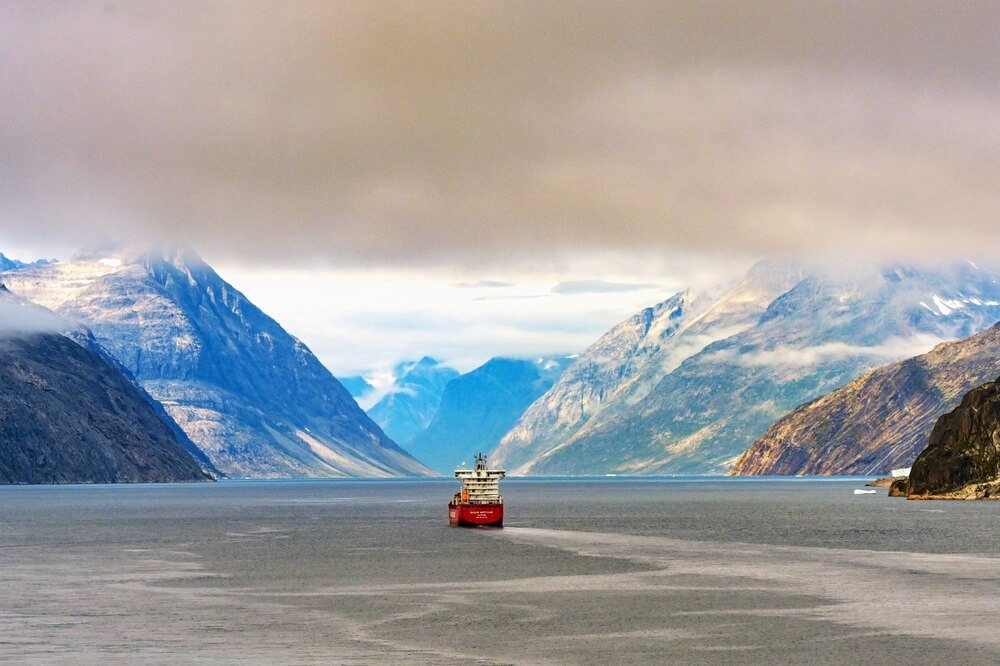
As global temperatures climb, Arctic sea ice is disappearing faster than ever, opening shipping routes that were once locked in ice year-round. Cargo vessels, fishing boats and even cruise ships are now moving through parts of the Arctic Ocean that were previously inaccessible. But this surge in traffic comes with a serious environmental downside: black carbon, or soot, released from ship exhaust. When that soot settles on ice and snow, it darkens the surface, reducing its ability to reflect sunlight and causing it to absorb more heat. The result is a self-reinforcing cycle of warming and melting that is hitting the Arctic harder than anywhere else on the planet.
Calls Grow for Cleaner Fuels in Polar Waters
Concerned about the accelerating damage, several countries are pushing for tougher shipping rules. France, Germany, Denmark and the Solomon Islands have proposed that ships operating north of the 60th parallel be required to use cleaner “polar fuels,” which emit far less black carbon than traditional heavy marine fuels. The proposal is being discussed at meetings of the International Maritime Organization, although progress has been slow. A ban on heavy fuel oil introduced in 2024 has had limited impact due to loopholes and exemptions that allow some ships to keep using it for years. Environmental groups argue that without stricter fuel standards, black carbon emissions will continue to rise unchecked.
Politics, Profits and a Warming Arctic
Efforts to curb Arctic shipping pollution are tangled up in geopolitics and economic interests. Climate policy has taken a back seat amid tensions over Arctic security and trade, while resistance from powerful industries has slowed national action. In Iceland, for example, environmental advocates say the fishing industry’s influence has made it difficult to push through tougher maritime rules, despite the country’s green reputation. Meanwhile, Arctic ship traffic continues to surge: the number of vessels operating north of the 60th parallel has jumped sharply over the past decade, along with the total distance they travel. With black carbon emissions rising and ice retreating, scientists and campaigners warn that regulating ship fuels may be the only realistic way to slow one of the Arctic’s most dangerous feedback loops.
