


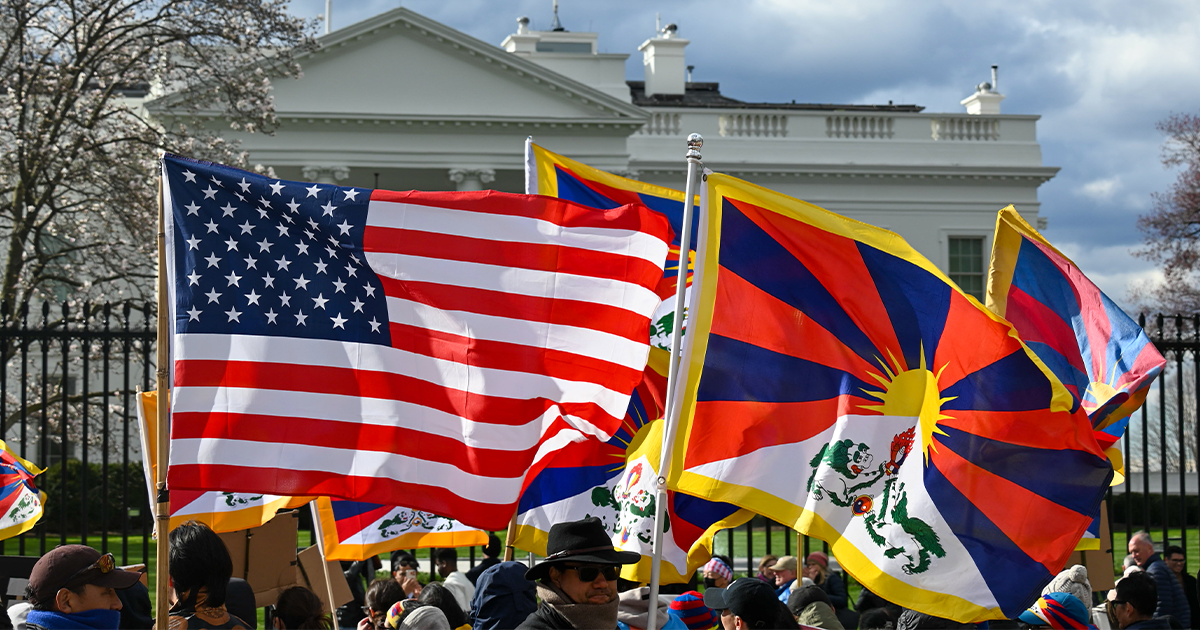
Members of the U.S. House of Representatives have sent a bipartisan letter endorsing a comprehensive U.S. policy on Tibet. The move highlights cross-party cooperation on international human rights and shows a shared commitment to supporting Tibetan communities.
The letter urges U.S. policymakers to maintain strong support for Tibet, including promoting religious freedom, cultural preservation, and human rights protections. Lawmakers emphasized that bipartisan efforts can strengthen the United States’ credibility on global human rights issues.
Supporters of the letter say the initiative demonstrates the importance of unity in addressing international concerns. By working together, members from both parties aim to show the world that human rights are a priority for the U.S. across political divides.
The bipartisan Tibet support letter also calls for increased engagement with international partners to protect Tibetan culture and advocate for the rights of local communities. Analysts note that such letters can influence foreign policy decisions and reinforce the U.S. role as a defender of human rights worldwide.
In recent years, Tibet has been at the center of discussions about autonomy, cultural preservation, and human rights violations. U.S. lawmakers believe that consistent diplomatic attention and bipartisan backing are key to promoting peaceful solutions and protecting the region’s heritage.
The bipartisan letter signals to both domestic and international audiences that supporting Tibet is not a partisan issue. Advocates argue that clear, unified messaging from Congress strengthens U.S. influence and encourages global partners to take meaningful action in defense of human rights.
Lawmakers also stressed that sustaining engagement with Tibet aligns with broader U.S. foreign policy goals. Promoting human rights, encouraging dialogue, and supporting cultural preservation contribute to stability in the region and demonstrate America’s commitment to international values.
The letter is expected to be reviewed by relevant committees and could influence future policy decisions regarding Tibet. Observers say that bipartisan cooperation on human rights issues can set a precedent for future cross-party initiatives on other global concerns.
If implemented effectively, the bipartisan Tibet support initiative could reinforce the United States’ position as a strong advocate for human rights while promoting unity in Congress on international matters.
