


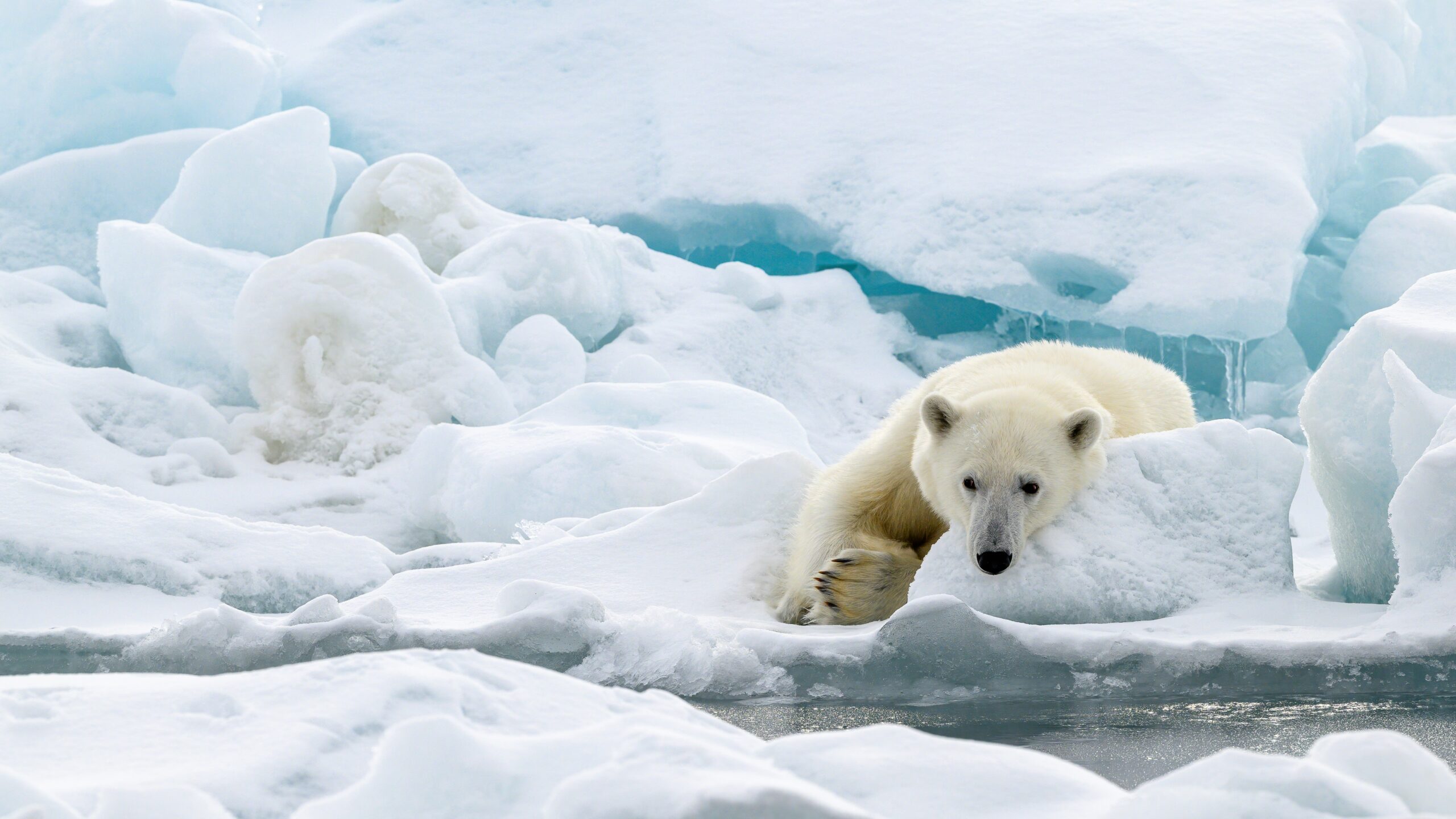
Scientists have identified genetic changes in polar bears that could help some populations cope with rising temperatures, offering rare evidence that global heating is influencing DNA in a wild mammal species.
Researchers from the University of East Anglia analysed blood samples from polar bears in northern and south-east Greenland and found notable genetic differences linked to local climate conditions. Bears in the warmer south-east showed increased activity in so-called “jumping genes” – mobile pieces of DNA that can alter how other genes function.
The study found that these genetic shifts are associated with heat stress, metabolism and ageing, suggesting the bears may be biologically adjusting to warmer, less icy environments. South-east Greenland bears also showed DNA changes linked to fat processing, potentially reflecting a shift towards leaner, more plant-based diets as seal prey becomes harder to find.
Lead researcher Dr Alice Godden said the findings provide the first statistically significant link between rising temperatures and changing DNA in a wild mammal. She described the genetic activity as a possible “desperate survival mechanism” in response to melting sea ice.
While the research offers some hope, scientists warned it does not mean polar bears are safe. Two-thirds of the global population is still expected to disappear by 2050 if warming continues. The team plans to study other polar bear populations worldwide and stressed that cutting fossil fuel emissions remains critical to preventing extinction.
