


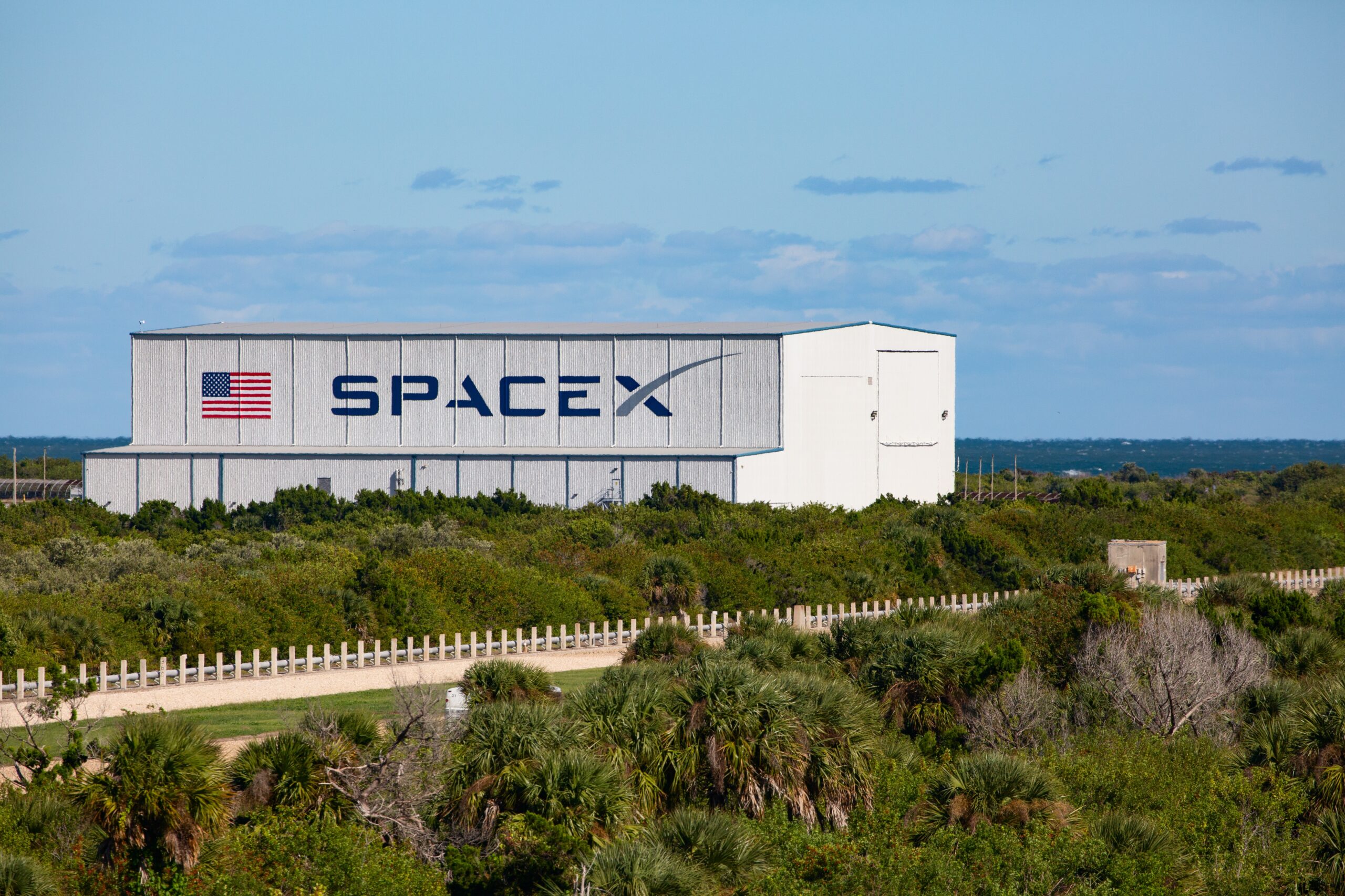
SpaceX launched the CRS-33 mission to the International Space Station on Sunday from Cape Canaveral, Florida.
The launch marked the Dragon spacecraft’s 50th visit to the orbiting laboratory since its debut in May 2012.
After stage separation, the first-stage booster successfully landed on the A Shortfall of Gravitas droneship in the Atlantic.
SpaceX officials confirmed the Dragon will dock with the station autonomously on Monday after a 28-hour flight.
Beyond Resupply: Science in Orbit
The CRS-33 mission carries 5,000 pounds of food, equipment, and experiments for astronauts aboard the ISS.
Officials emphasized the mission also supports vital scientific studies for future human space exploration.
Researchers plan to run about 50 different investigations aboard this mission.
Heidi Parris, associate program scientist for the ISS, explained one experiment will focus on reducing astronaut bone loss.
The team will test whether blocking a protein linked to bone changes can limit skeletal weakening in space.
Reboost Role and Future Operations
Sunday’s flight marked the booster’s seventh mission and Dragon’s third resupply journey.
In September, NASA will use the Dragon spacecraft to adjust the ISS’s altitude.
Bill Spetch, ISS Program Operations Integration Manager, explained the station’s orbit decays gradually due to thin atmosphere.
He said NASA contracted SpaceX to provide reboost capability and maintain the station’s long-term stability.
The Dragon spacecraft is scheduled to return to Earth no earlier than December.
