


EU leaders vow unity as tensions rise
European leaders have pledged to stand together after US President Donald Trump threatened to impose new tariffs unless Denmark agrees to sell Greenland, a move that has stunned diplomats and raised fears of a fresh transatlantic trade war. Senior figures across the EU said the bloc would remain united and firm in defending its sovereignty amid what many see as unprecedented pressure from Washington.
European Commission President Ursula von der Leyen, French President Emmanuel Macron and German Chancellor Friedrich Merz all stressed the need for a coordinated response after the Trump administration announced plans for an extra 10% tariff on goods from eight European countries starting February 1, with the possibility of rising to 25% by June.
Greenland dispute sparks trade war fears
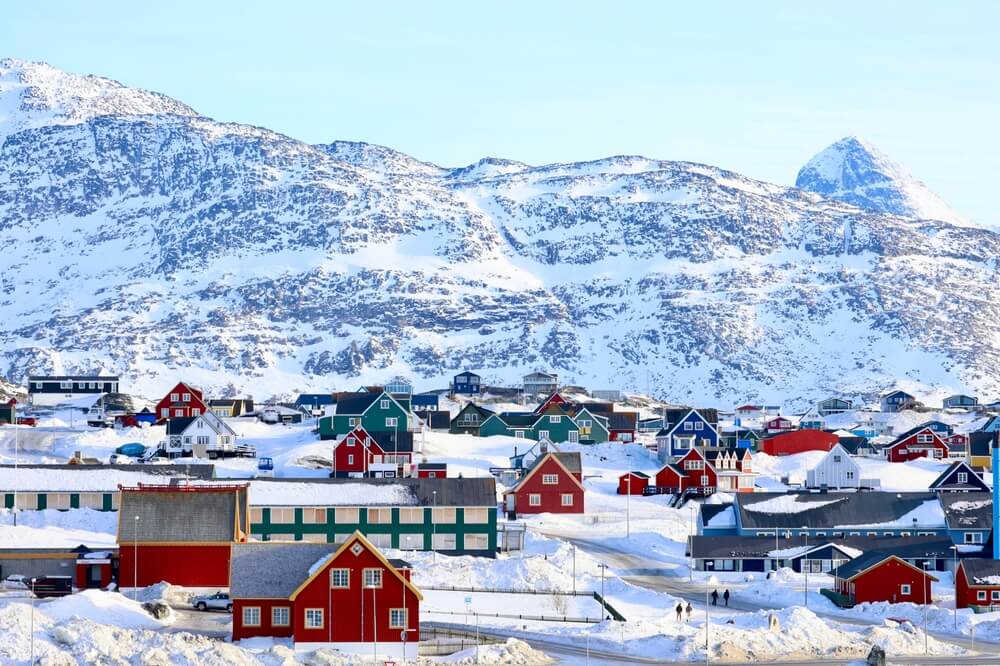
In a social media post, Trump said imports from Denmark, Sweden, Norway, France, Germany, the Netherlands, Finland and the UK would face additional tariffs until “a deal is reached for the complete and total purchase of Greenland.” Greenland is a semi-autonomous territory of Denmark, and Copenhagen has repeatedly rejected any suggestion of selling it.
The tariff threat followed a joint European mission to Greenland, aimed at strengthening Arctic cooperation and security. The White House reacted angrily, arguing the move undermined US national security interests. EU officials warned that piling new tariffs on top of existing duties could unravel last year’s fragile trade agreement and push both sides into a damaging economic standoff.
EU Council President António Costa said leaders would coordinate their response, while von der Leyen warned that tariffs would undermine transatlantic relations and risk “a dangerous downward spiral.”
Calls grow for Europe to hit back
European leaders were blunt in rejecting the pressure. Macron said Europe would not be intimidated “whether in Ukraine, in Greenland or elsewhere,” while Swedish Prime Minister Ulf Kristersson said Europe would not allow itself to be blackmailed. Danish Foreign Minister Lars Løkke Rasmussen expressed surprise at Washington’s reaction, insisting the Greenland mission was designed to improve Arctic security, not provoke confrontation.
The dispute has reignited calls within the European Parliament to activate the EU’s anti-coercion instrument, a powerful trade tool designed to counter political pressure. Bernd Lange, chair of the Parliament’s trade committee, said the EU could no longer treat relations as business as usual, accusing Trump of using trade as a weapon against allies.
Manfred Weber, leader of the European People’s Party, went further, urging lawmakers to freeze the EU-US trade deal entirely. With tempers flaring on both sides of the Atlantic, Europe now faces a crucial test of whether unity and resolve can prevent the dispute from spiralling into a full-scale trade war.
