


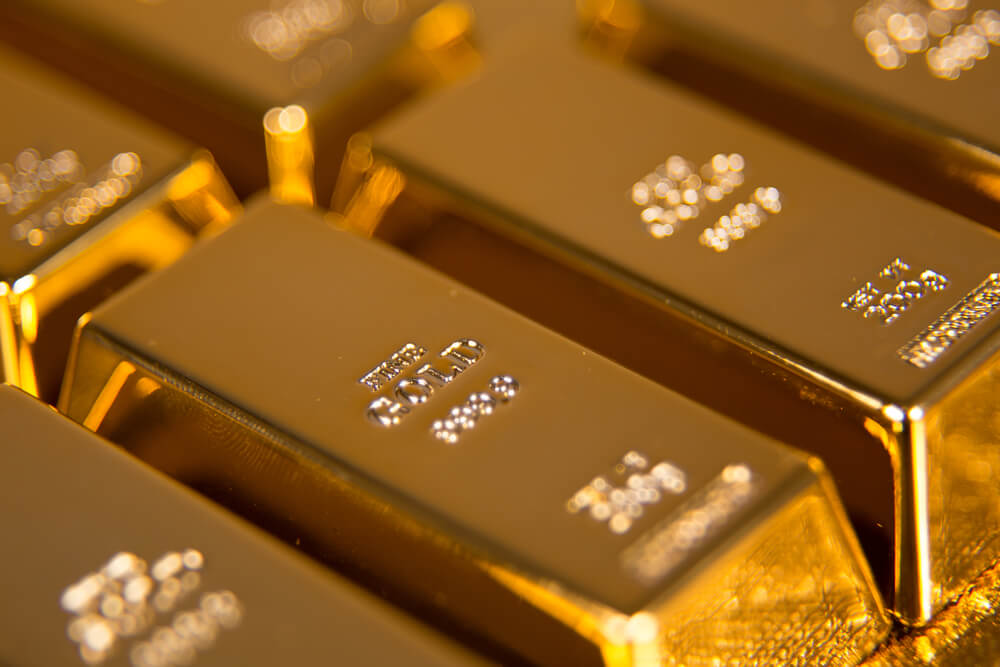
Gold prices jumped above $5,000 (£3,659) an ounce for the first time, extending an extraordinary rally. The metal has climbed more than 60% during 2025, delivering a landmark year.
Rising geopolitical and financial stress has fueled the move. Tensions between the United States and Nato over Greenland have shaken investor confidence. Markets have grown increasingly sensitive to global instability.
US President Donald Trump has intensified concerns through toughġġ trade policies. He recently threatened a 100% tariff on Canada. The warning applies if Canada signs a trade deal with China.
Safe-haven buying gathers pace
Investors usually buy gold during periods of uncertainty. Many view it as protection against market shocks and political risk. Silver has echoed the trend, moving above $100 an ounce.
Silver extended gains of nearly 150% from last year. Other precious metals have also seen strong inflows. Investors have pulled back from riskier assets.
Economic pressures have strengthened demand. Inflation has stayed elevated across major economies. A weaker US dollar has lifted international buying interest.
Central banks have continued accumulating bullion. Expectations of further US interest rate cuts have added support.
Conflict and diplomacy unsettle markets
Wars and political events have pushed gold higher. Fighting in Ukraine and Gaza has increased global anxiety. Political action involving Venezuela has further undermined confidence.
These developments have driven investors toward tangible assets. Gold often benefits when trust in political systems weakens. Analysts say prices reflect widespread unease.
Scarcity reinforces long-term strength
Gold’s limited supply remains a powerful attraction. About 216,265 tonnes have ever been mined, according to the World Gold Council. That amount would fill three to four Olympic-sized swimming pools.
Most gold entered circulation after 1950. Advances in mining technology expanded production. Even so, future supply growth now appears constrained.
The US Geological Survey estimates 64,000 tonnes remain underground. Experts expect output to plateau in coming years. Many believe scarcity will support prices.
An asset detached from financial debt
Analysts highlight gold’s independence from financial obligations. Nicholas Frappell of ABC Refinery said gold carries no counterparty risk. Bonds and equities rely on issuers and companies.
Frappell described gold as an effective portfolio diversifier. He said global uncertainty has increased its appeal. Investors value assets outside traditional finance.
A record year for precious metals
Gold posted its strongest annual gain since 1979 during 2025. Investors poured into precious metals amid repeated market shocks. Prices set fresh records several times.
Concerns over trade tariffs and costly technology stocks fueled demand. Many investors questioned equity market valuations. Gold benefited from those fears.
Susannah Streeter of Wealth Club said gold continues defying expectations. She said political uncertainty keeps demand strong. Trade tensions have repeatedly unnerved markets.
Rate cut expectations boost momentum
Gold often rises when investors expect lower interest rates. Reduced rates shrink returns on bonds. Investors then look to alternatives like gold and silver.
Markets widely expect two US rate cuts this year. Falling yields weaken the appeal of government debt. Analysts say gold gains from this shift.
Ahmad Assiri of Pepperstone said investors move away from bonds. He said lower opportunity costs favour gold. Many choose metals instead.
Central banks drive strategic demand
Central banks have played a major role in the rally. They added hundreds of tonnes of gold to reserves last year. Official sector buying has remained strong.
Analysts see a clear shift away from the US dollar. Kavalis said this move has strongly supported gold prices. Many countries seek diversification.
Despite the surge, risks remain. Frappell warned that news-driven markets can reverse quickly. Positive global developments could pressure prices.
Cultural demand supports global buying
Gold demand extends beyond investment motives. Many cultures value the metal for tradition and celebration. Families often buy gold during festivals and weddings.
In India, Diwali remains a major buying occasion. Many believe gold brings prosperity and luck. Gold gifts remain common.
Morgan Stanley estimates Indian households hold $3.8tn in gold. That equals about 88.8% of national GDP. Gold dominates household wealth.
China also plays a decisive role in demand. It stands as the world’s largest single consumer market. Many buyers associate gold with good fortune.
Kavalis said demand often rises around Chinese New Year. He said a seasonal increase has already appeared. The Year of the Horse begins in February.
