


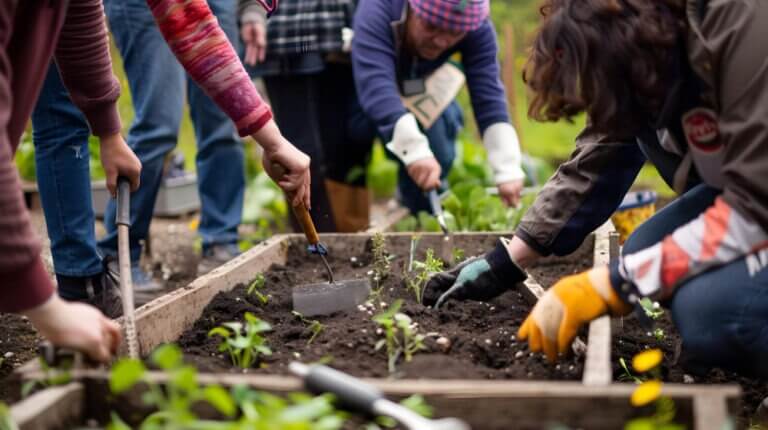
Urban community gardens are expanding rapidly in cities across the United States. From New York to Chicago and Los Angeles, these green spaces are bringing neighborhoods together while offering fresh fruits and vegetables to local residents.
In New York City, several vacant lots have been transformed into vibrant gardens. Residents are growing a variety of crops, including tomatoes, lettuce, and herbs. These gardens not only provide healthy food but also strengthen community bonds. People of all ages come together to plant, water, and harvest, creating a sense of belonging.
Chicago has seen similar growth in its urban gardening movement. Local organizations are supporting neighborhood gardens with tools, seeds, and educational programs. These spaces have become hubs for learning about nutrition and sustainable agriculture. Students, families, and seniors participate, sharing knowledge and gardening skills.
Los Angeles is also embracing urban gardening, especially in areas with limited access to fresh produce. Community gardens are helping reduce food insecurity and giving residents a chance to enjoy outdoor activity. These gardens often host workshops and events that teach healthy cooking and environmental awareness.
Experts say the rise of urban community gardens reflects a growing interest in healthy living and local food systems. “People want to know where their food comes from,” said an urban agriculture specialist. “Community gardens are a way to connect with nature and neighbors while improving nutrition.”
City planners are increasingly supporting these initiatives. By offering land leases, grants, and technical support, municipalities are helping turn empty lots into productive gardens. In some neighborhoods, community gardens are also contributing to beautification and reducing crime by fostering community engagement.
Social benefits are another key advantage of urban community gardens. Residents report feeling a stronger sense of belonging and increased mental well-being. Gardening has been linked to lower stress levels, and sharing the harvest encourages cooperation and friendship.
The environmental impact is significant as well. Urban gardens help manage rainwater, reduce heat in densely built areas, and attract pollinators such as bees and butterflies. They also reduce the carbon footprint associated with transporting fresh produce from rural farms to city centers.
Many gardens operate on a volunteer basis, but partnerships with local businesses and nonprofits provide resources to sustain growth. Farmers markets connected to community gardens are also becoming popular, allowing gardeners to sell surplus produce locally.
The popularity of urban community gardens shows no signs of slowing. In addition to fresh food, these gardens provide educational opportunities, social interaction, and environmental benefits. For residents of major cities, urban gardens are becoming a vital part of neighborhood life.
With continued support from communities and local governments, urban community gardens are poised to expand even further. They represent a practical, healthy, and sustainable solution to modern urban living challenges.
