


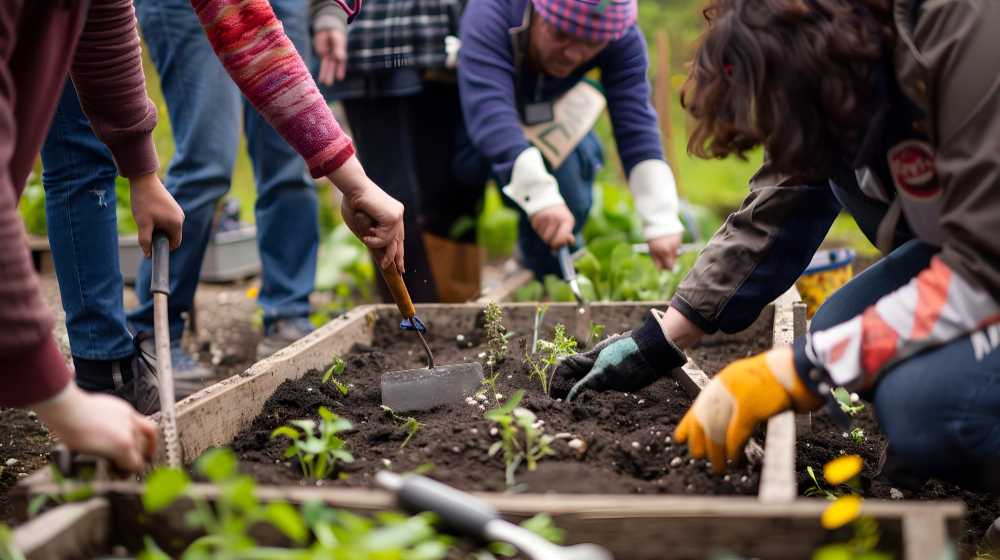
Urban gardening initiatives are transforming many U.S. neighborhoods. Across cities, community gardens are turning empty lots into green spaces filled with fresh produce and friendly faces. These projects are helping residents eat healthier, save money, and build stronger community ties.
In recent years, more local governments and nonprofits have supported urban gardening. They provide tools, soil, seeds, and training to help residents start gardens in public spaces, schools, and housing complexes. These efforts are gaining momentum as more people seek ways to improve their health and lower their grocery bills.
Many families living in cities face limited access to fresh food. In some neighborhoods, grocery stores are far away, and healthy food options are expensive. Community gardens offer a simple solution. They allow people to grow fruits, vegetables, and herbs right where they live. This reduces dependence on fast food and improves overall diets. Health experts say eating more fresh produce can lower the risk of heart disease, diabetes, and obesity.
Urban gardening also brings mental health benefits. Spending time outdoors and working with plants can reduce stress, anxiety, and depression. Children who join garden programs often become more interested in nature and learn how food grows. Teachers report that students involved in school gardens show better focus and teamwork skills.
Food insecurity is another major issue these gardens help solve. When residents grow their own food, they spend less at grocery stores and can share extra produce with neighbors. Many gardens donate surplus harvests to local food banks and shelters. This ensures that even more people in the community benefit from the effort.
Community leaders say the gardens also strengthen social bonds. Neighbors who might not know each other come together to plant, water, and harvest. This builds trust and a sense of safety. In some areas, community gardens have even reduced crime by turning abandoned lots into busy, well-cared-for spaces.
Local governments are noticing these benefits and offering support. Some cities have created small grants to fund garden tools, rainwater systems, and compost bins. Others provide land or cut through red tape so residents can start gardens faster. Public health departments are also promoting urban gardening as a way to fight chronic diseases and improve diets.
Nonprofit groups and volunteers play a key role as well. They train new gardeners, run workshops, and organize harvest festivals that celebrate the community’s hard work. These events attract local businesses and sponsors, creating even more support for the gardens.
Despite the success, challenges remain. Some neighborhoods struggle to find safe land with clean soil. Others face vandalism or theft. Long-term funding is also a concern, as most gardens rely on donations or small grants. However, supporters say the benefits far outweigh the difficulties. Many gardens have survived for years by building strong networks of volunteers and local partners.
Urban gardening initiatives are proving that small green spaces can bring big changes. They help people eat better, save money, and connect with their neighbors. As more cities support these efforts, experts believe urban gardening could play a major role in building healthier, more united communities across the country.
