


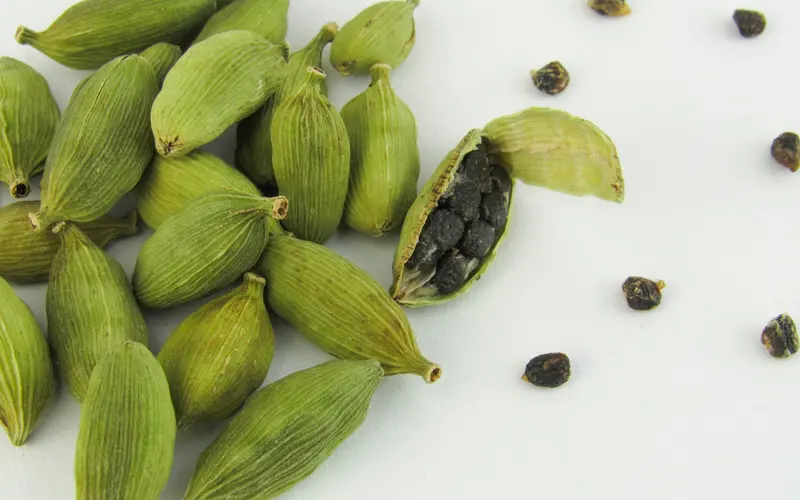
For 25 years, a global seed collection initiative has been protecting plant species from extinction. By preserving seeds from around the world, the project contributes to global biodiversity and safeguards the future of ecosystems.
Scientists involved in the initiative collect seeds from diverse regions, including tropical forests, deserts, and grasslands. Each seed represents a potential lifeline for species at risk due to habitat loss, climate change, or human activity.
Seed banks store these collections under strict conditions, maintaining their viability for decades. This ensures that even if a plant disappears in the wild, it can be reintroduced and cultivated in the future. Experts call these banks “insurance policies” for the planet.
Over the past quarter-century, the program has amassed millions of seeds from thousands of plant species. The collection includes staple crops, medicinal plants, and rare wild species, highlighting the breadth of the initiative’s reach.
Scientists emphasize that plant diversity is essential for healthy ecosystems and human survival. Crops rely on wild relatives for resilience against pests, diseases, and climate shifts. Preserving genetic diversity allows for adaptation and innovation in agriculture.
Community involvement has also played a role. Local partners worldwide help identify species, collect seeds, and ensure sustainable harvesting practices. These collaborations strengthen conservation networks and raise awareness about biodiversity challenges.
Technological advancements have improved seed preservation. Modern facilities use temperature and humidity controls to maximize longevity, while genetic studies help prioritize species most at risk. These measures ensure the collection remains a reliable resource for researchers and conservationists.
The initiative has inspired similar programs globally. Countries are increasingly recognizing the importance of seed banking in addressing environmental threats. Collaboration across borders enhances knowledge sharing and creates a coordinated approach to preserving plant life.
Education and outreach are central to the project. Schools, universities, and public organizations use the seed bank’s resources to teach students about ecology, conservation, and sustainability. Many young scientists cite the initiative as a source of inspiration for careers in environmental research.
Climate change has made seed collection more urgent. Rising temperatures, shifting rainfall patterns, and deforestation threaten many plant species. Seed banks act as a safeguard, allowing scientists to reintroduce species and restore habitats when conditions allow.
Researchers also highlight the importance of protecting local and indigenous knowledge. Many plant species have cultural, medicinal, and economic significance. By preserving seeds, the initiative helps maintain these connections and supports communities that rely on native plants.
The 25-year milestone is not just a celebration of numbers but of impact. Each seed represents a story of survival and hope for future generations. The project demonstrates how proactive conservation efforts can counter environmental decline.
Global biodiversity depends on such initiatives. Seed banks serve as critical tools in combating extinction and ensuring that ecosystems remain resilient. They provide resources for scientific study, restoration projects, and sustainable agriculture.
Looking ahead, scientists plan to expand collections to include even more threatened species. They also aim to share knowledge and techniques with other countries, strengthening a worldwide network committed to biodiversity protection.
This long-term commitment shows that preservation is possible when science, communities, and governments work together. By safeguarding plant species, the initiative supports ecosystems, agriculture, and cultural heritage, creating a foundation for a more sustainable future.
The global seed collection project proves that careful planning and sustained effort can make a lasting difference. As it enters its next decade, the program continues to inspire hope for the planet and emphasizes the critical role of biodiversity in sustaining life on Earth.
