


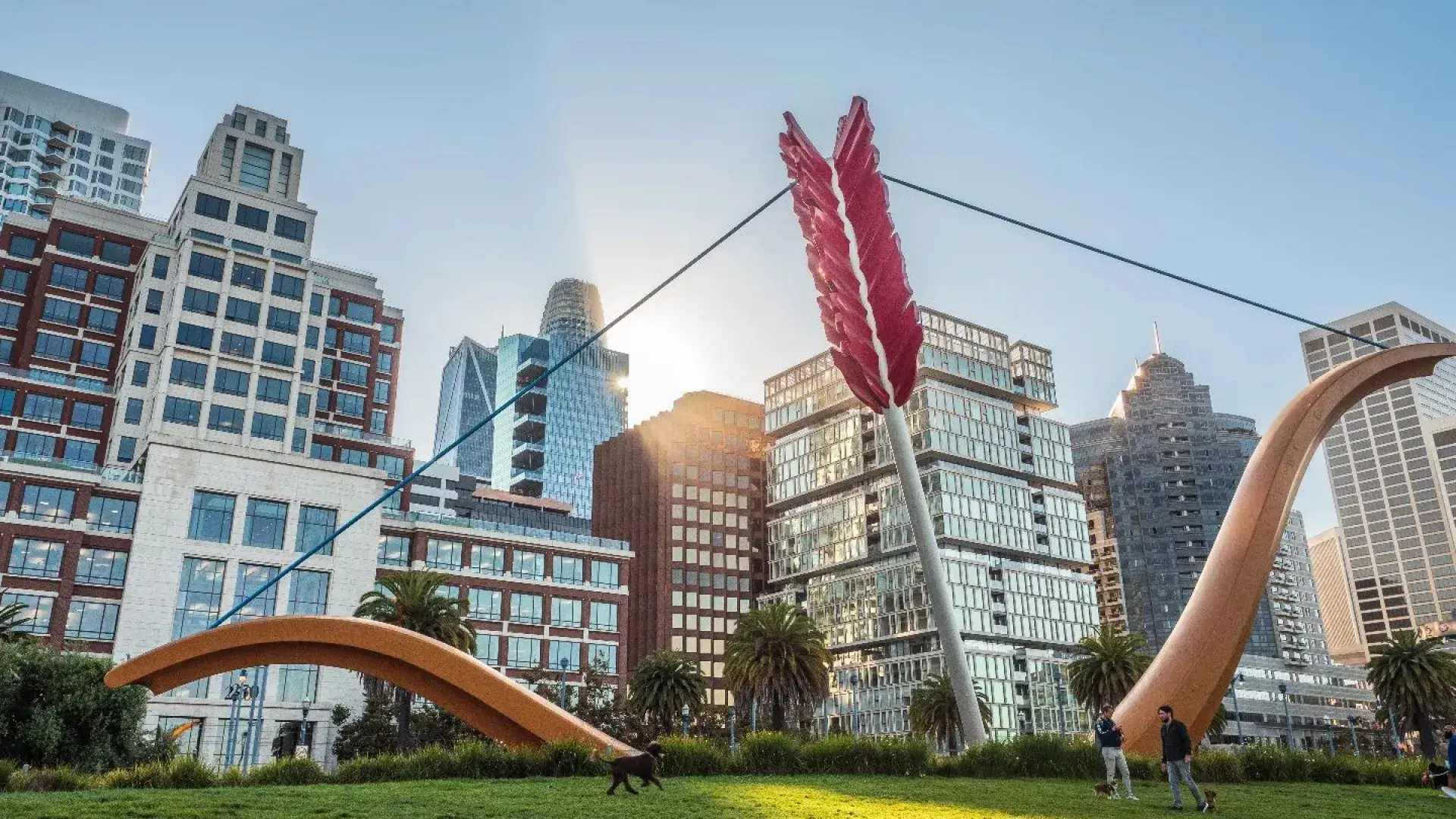
California’s commitment to public art has reached a new high, as Governor Gavin Newsom announced a $50 million investment to expand the state’s “Art in Public Spaces” program. The initiative aims to create more accessible art installations, promote cultural expression, and strengthen community engagement across cities and towns.
The program, which began years ago to bring art closer to residents, has been credited with enhancing public spaces and making the arts more inclusive. The new funding will allow cities to commission more sculptures, murals, and interactive installations, ensuring that art becomes an integral part of daily life for Californians.
Governor Newsom emphasized the role of art in uniting communities and celebrating diverse voices. He highlighted how public art projects can reflect local culture, tell important stories, and inspire residents. “Art is more than decoration. It is a way to connect people, spark imagination, and make our communities thrive,” he said.
The expanded funding is expected to benefit artists, local organizations, and community groups. By commissioning new works, the program will provide opportunities for emerging and established artists alike, while also creating jobs and stimulating local economies. Cities can apply for grants to develop projects that are reflective of their unique neighborhoods and cultural identities.
Public art installations are known to have a positive impact on urban spaces. Murals and sculptures can revitalize neglected areas, attract visitors, and encourage social interaction. Studies have shown that communities with accessible public art report higher levels of civic pride and cultural engagement. This investment underscores California’s commitment to using art as a tool for social and economic enrichment.
The program also aims to make art more inclusive and accessible. By situating installations in public parks, transit hubs, and community centers, more people can experience and enjoy creative works without the barriers of gallery or museum entry. This approach aligns with broader efforts to ensure that arts and culture are available to all residents, regardless of age, background, or income level.
Local officials and art advocates welcomed the announcement. Many see it as a milestone for the state’s cultural landscape. “This investment allows communities to tell their stories and share them with the world,” said a city arts coordinator. “Public art has the power to transform spaces and bring people together, and now we can do even more.”
The “Art in Public Spaces” program also encourages collaboration between artists and local communities. Residents are often invited to participate in the planning and design of installations, fostering a sense of ownership and engagement. This collaborative approach helps ensure that the art reflects the values and identities of the communities it serves.
Funding will also support maintenance and preservation of existing installations. Protecting public art from weather, vandalism, and decay ensures that communities can enjoy it for years to come. This long-term perspective demonstrates the state’s dedication to sustaining cultural initiatives that have lasting social value.
California’s investment in public art aligns with national trends emphasizing creativity as a driver of social cohesion and economic vitality. Across the country, cities are increasingly recognizing the role of art in public spaces as a means to foster inclusivity, stimulate local economies, and enrich community life.
Experts highlight that such programs also provide educational opportunities. Schools and youth programs can engage with local artists to create projects that inspire creativity and teach art skills. By integrating art into everyday environments, children and young adults gain exposure to culture that might otherwise be limited to formal education settings.
With this record funding, California is poised to set an example for other states, demonstrating how investment in public art can yield broad cultural, economic, and social benefits. From urban centers to small towns, residents can look forward to seeing their communities transformed through creativity, color, and collaboration.
