


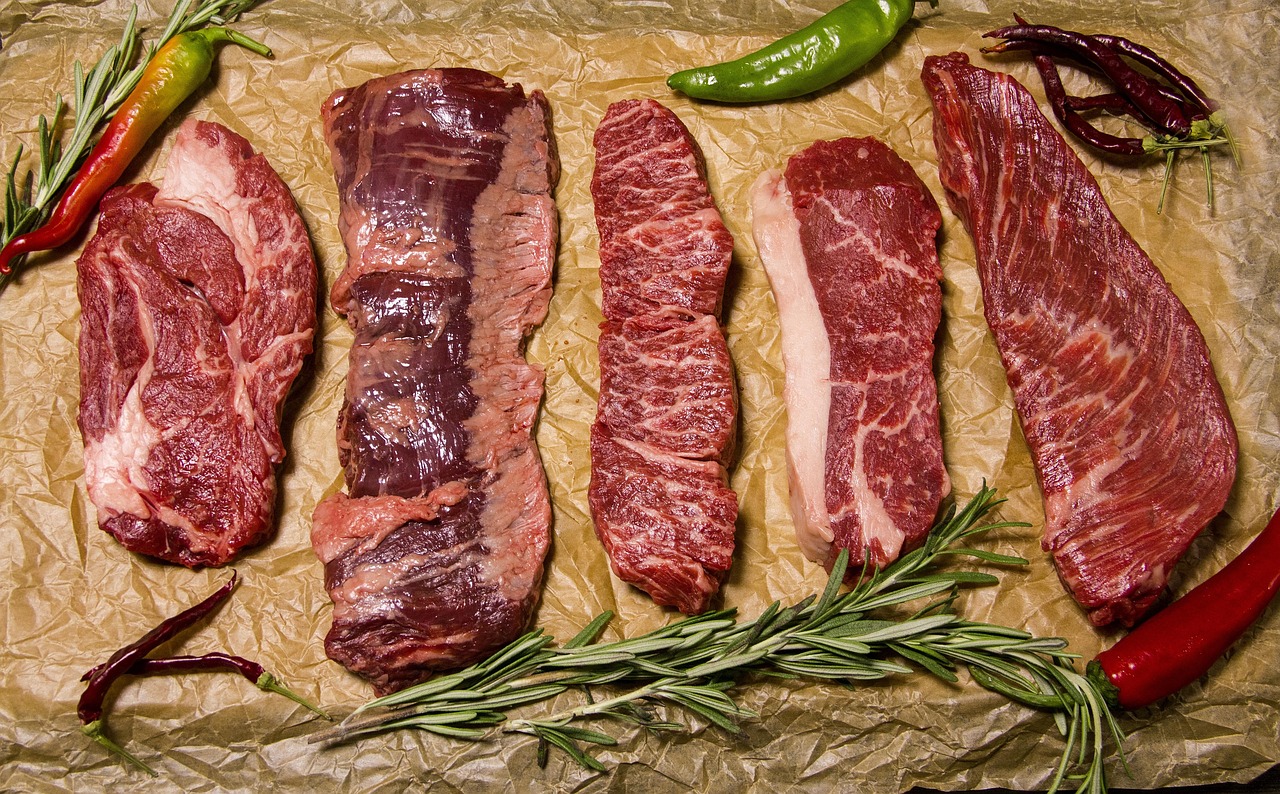
Beef prices in the United States have surged to record highs, turning a kitchen-table issue into a political showdown. Donald Trump, who once declared inflation “dead,” now faces mounting criticism as costly beef threatens his promise to bring grocery prices down. This week, he urged ranchers on social media to lower cattle prices. But his demand — and his administration’s proposals — have enraged ranchers who say the plans will hurt small producers while doing little to help consumers.
A long decline in America’s cattle country
The number of cattle ranchers in the US has fallen steadily for more than four decades. Domestic beef supplies keep shrinking as demand remains strong, pushing prices ever higher. The nation’s cattle herd is now at its lowest level in nearly 75 years. Since 2017, the US has lost over 150,000 cattle ranches — a 17% decline, according to the Agriculture Department.
Ranchers say their livelihoods are being squeezed by decades of consolidation among meat processors, which limits competition and weakens their bargaining power. Rising costs for fertiliser, feed, and machinery have made matters worse, while years of drought have forced many to sell off much of their herds.
In Illinois, rancher Christian Lovell said land that was once lush and green is now parched and cracked. “You put all these together and you have a recipe for a really broken market,” said Lovell, who works with the advocacy group Farm Action.
Prices rise faster than inflation
Beef prices have far outpaced general food inflation. Ground beef climbed 12.9% in the past year, while steaks rose 16.6%, according to federal data. A pound of ground chuck now costs $6.33, up from $5.58 last year. Meanwhile, overall food inflation stands at 3.1%.
“The cattle herd has been shrinking for years, yet Americans still want that beef on their plates,” said Brenda Boetel, a professor of agricultural economics at the University of Wisconsin, River Falls.
Derrell Peel, an agricultural economist at Oklahoma State University, expects high prices to persist until at least the end of the decade. He said rebuilding herds takes time and that the administration has few tools to reverse the trend quickly.
Trump’s import idea sparks backlash
The Agriculture Department this week announced a plan to expand cattle grazing lands and support small meat processors to boost domestic production. But Trump’s separate proposal to import more beef from Argentina — potentially quadrupling current levels — triggered outrage across rural America.
Eight House Republicans wrote to the White House warning that the move could devastate US ranchers. Even the National Cattlemen’s Beef Association, which often supports Trump, said the idea “creates chaos at a critical time for producers while doing nothing to lower grocery prices.”
Trump defended his plan, noting that tariffs are already limiting imports from Brazil. “They have to get their prices down,” he wrote. “The consumer is a big factor in my thinking.” But his response failed to ease tensions with ranchers.
Justin Tupper, president of the US Cattlemen’s Association, said the proposal would mainly benefit major meat companies. “I don’t see that lowering prices here at all,” he said.
The power of the big four processors
Experts say the real issue lies in the dominance of four corporations — Tyson, JBS, Cargill, and National Beef — which control over 80% of US beef processing.
“These are consolidated markets gouging ranchers and gouging consumers,” said Austin Frerick, an agricultural policy expert at Yale University.
The companies face multiple lawsuits, including one from McDonald’s accusing them of colluding to raise prices. Earlier this year, Trump scrapped a Biden-era order aimed at reducing corporate concentration in the food sector. Still, his administration has launched new investigations into market competition in agriculture.
Ranchers fear the future
In Kansas, rancher Mike Callicrate has survived by cutting out meat packers and selling directly to consumers. But he admits that most ranchers can’t afford to do the same. Many have already left the business — and few are willing to return.
“We’re not going to rebuild this cow herd — not until we address market concentration,” Callicrate said. He supports opening more grazing land but warns, “Without a fair market, you’re a fool to get into the cattle business.”
Bill Bullard, head of the trade group R-CALF USA, shut down his 300-cow ranch in South Dakota in 1985 as meat packers grew stronger. He said ranchers have recently seen better prices only because supplies have become so tight that processors had no choice but to pay more.
Still, Bullard said the industry remains broken. Heavy reliance on imports and the power of the meat giants have crushed confidence among ranchers. “He’s focused on the symptoms, not the problems,” Bullard said of Trump’s approach.
As beef prices keep rising, ranchers are demanding more than quick fixes. The standoff between Trump, corporate packers, and America’s struggling cattlemen may soon decide who really controls the future of the nation’s beef.
