


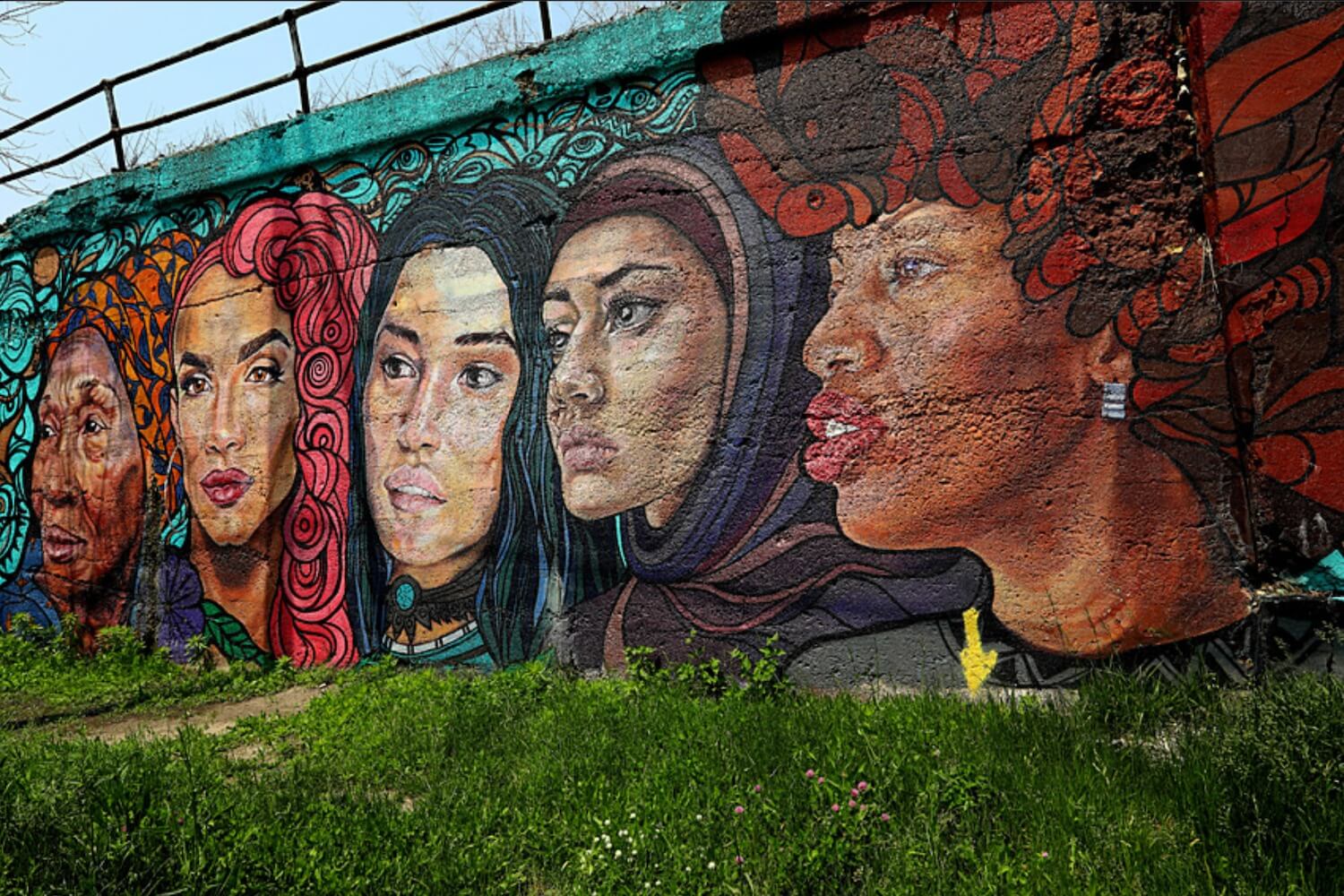
Historic neighborhoods across the country are experiencing a cultural revival through art. Murals, sculptures, and other public art installations are turning once-neglected streets into vibrant spaces. These projects are not only beautifying communities but also highlighting the unique history and culture of each area.
Local artists and residents are leading the way, collaborating to create pieces that tell the story of their neighborhoods. Many of the artworks reflect historical events, cultural traditions, and the everyday lives of longtime residents. This approach helps preserve local heritage while giving communities a fresh and engaging look.
The impact goes beyond aesthetics. Businesses in areas with public art report increased foot traffic, and new shops and cafes are opening in response to growing visitor interest. City officials say these projects encourage tourism and support economic growth, creating jobs and new opportunities for small businesses.
Community engagement is a key part of the revival. Residents often participate in painting murals or planning installations. This involvement strengthens community bonds and fosters a sense of pride. People feel more connected to their neighborhoods when they see their stories reflected in public art.
Many historic neighborhoods have also partnered with schools and art programs. Students are invited to contribute, providing a platform for young talent and connecting younger generations to local history. These collaborations create a lasting educational impact, while also encouraging creativity and civic engagement among youth.
In addition to murals, interactive art installations are becoming popular. These projects invite visitors to participate, creating a dynamic experience. Some neighborhoods have even organized art walks, drawing crowds and promoting local businesses. These events showcase the diversity of local artists and highlight different aspects of the neighborhood’s history.
The revival also promotes cultural awareness. By showcasing art rooted in local heritage, neighborhoods celebrate diversity and educate visitors about their history. Many projects focus on underrepresented communities, giving voice to stories that were previously overlooked.
City planners say that investing in public art can have long-term benefits. Beyond economic growth, it improves the overall quality of life. Clean, vibrant streets encourage social interaction and reduce crime, making neighborhoods safer and more welcoming.
Several historic districts have become destinations for tourists and residents alike. Art installations have sparked interest in exploring the area, visiting local shops, and learning about the neighborhood’s past. This trend shows how art can be a tool for both preservation and progress.
Experts in urban development note that public art projects must be carefully planned to respect the history and character of neighborhoods. Successful initiatives balance modern creativity with historical authenticity. By doing so, communities retain their identity while enjoying the benefits of revitalization.
The movement is gaining momentum nationwide. From small towns to major cities, historic neighborhoods are using art to reconnect with their past while creating a bright future. Murals and public installations are proving that creative projects can bring people together, celebrate culture, and stimulate local economies.
Historic neighborhood art revival is more than just decoration. It is a strategy for growth, a celebration of culture, and a way to strengthen communities. As more neighborhoods embrace these projects, the positive effects on culture, economy, and community pride continue to grow.
