


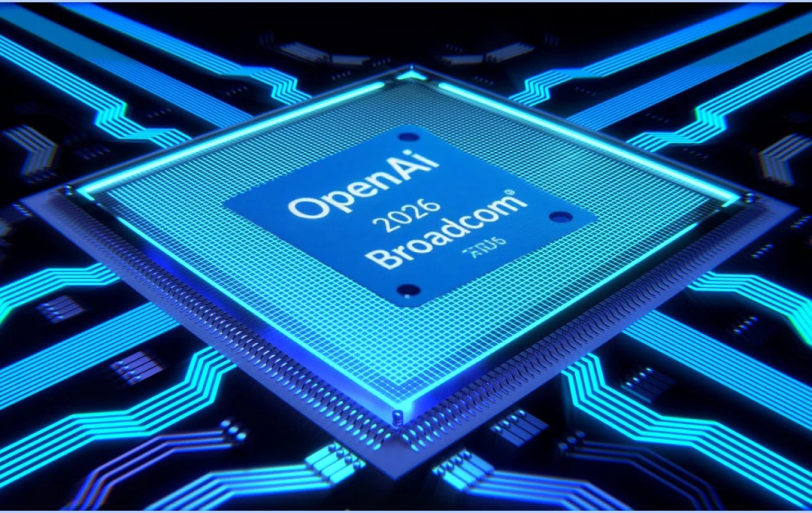
OpenAI has reached a major agreement with Broadcom to secure a 10-gigawatt chip supply. This deal marks a significant move in the expansion of AI hardware and strengthens the infrastructure needed for large-scale AI models.
The partnership addresses the growing demand for advanced chips as AI applications continue to surge across industries. By ensuring a steady supply, OpenAI aims to maintain its position at the forefront of artificial intelligence innovation.
Broadcom, a leading semiconductor company, will provide the high-performance chips required for AI computing tasks. These chips are critical for training large AI models, running complex algorithms, and supporting AI-driven software solutions across different sectors.
Industry experts note that securing a 10-gigawatt supply is unprecedented. It not only guarantees hardware availability but also signals the increasing investment in AI infrastructure. The collaboration could set a new benchmark for partnerships between AI developers and chip manufacturers.
OpenAI’s push for this deal reflects the competitive environment in AI research. Leading tech companies are racing to develop more capable AI systems, which require vast computing power and specialized chips. With Broadcom’s support, OpenAI can expand its computing capacity to meet these demands efficiently.
The new chips will enhance the speed and efficiency of AI model training. Faster processing allows AI systems to learn more quickly from data, leading to improved performance and more accurate results in tasks such as natural language processing, image recognition, and predictive analytics.
This agreement also demonstrates the importance of strategic hardware partnerships in the AI industry. Companies like OpenAI need reliable suppliers to maintain uninterrupted research and development cycles. By working closely with Broadcom, OpenAI ensures it can scale its operations without facing hardware shortages.
Experts believe this move could influence the broader AI ecosystem. Other AI companies might seek similar agreements with chip manufacturers to secure resources, leading to more strategic collaborations across the industry.
The deal comes at a time when AI adoption is accelerating globally. Businesses, governments, and research institutions are increasingly integrating AI into their operations. Access to high-performance chips is essential to sustain this growth and drive innovation forward.
OpenAI also emphasized that the deal is aligned with its long-term strategy to make AI more powerful and accessible. By securing essential hardware, the company can continue developing advanced AI models that support real-world applications, from automated services to scientific research.
Broadcom’s role in this partnership highlights its commitment to supplying critical technology to AI innovators. The company’s chips are known for their high efficiency, reliability, and performance, making them suitable for the most demanding AI workloads.
Overall, the OpenAI and Broadcom chip deal represents a landmark in AI hardware development. It ensures the resources needed for cutting-edge AI research are available while strengthening both companies’ positions in a competitive market.
Analysts expect the collaboration to accelerate AI progress and set a standard for future partnerships. As AI continues to grow in influence, securing a reliable chip supply may become a key factor in maintaining technological leadership.
With this deal in place, OpenAI is poised to expand its capabilities, innovate faster, and meet the rising global demand for advanced AI solutions. The partnership demonstrates how strategic hardware investments are critical to sustaining AI growth in the coming years.
