


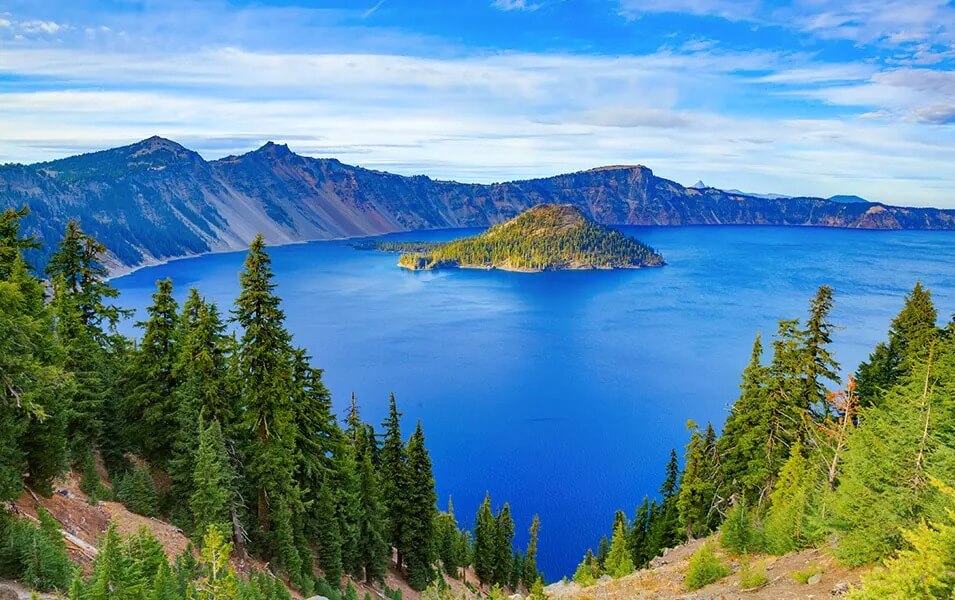
This summer, U.S. national parks welcomed more visitors than ever before. Recent reports show that popular parks across the country experienced record numbers, reflecting a strong trend toward outdoor travel and nature-based tourism.
Park officials said the increase in visitors comes after years of pandemic-related restrictions. Many families and travelers are eager to spend time outdoors, enjoy scenic landscapes, and take part in recreational activities.
The National Park Service reported that parks like Yellowstone, Yosemite, and the Grand Canyon saw significant spikes in attendance. Yellowstone, for instance, reported its busiest July in history, with thousands of visitors exploring its geysers, hot springs, and wildlife. Yosemite also recorded high visitor numbers, with tourists flocking to see iconic spots such as Half Dome and Yosemite Falls.
Experts note that several factors contribute to the rise in park visits. Growing interest in eco-friendly travel, increased domestic tourism, and a desire for safe, socially distanced vacation options have all played a role. Parks also offered new programs and guided tours to attract more visitors and enhance the outdoor experience.
Local economies near the parks have benefited from the surge. Hotels, restaurants, and outdoor activity providers have reported higher bookings and increased revenue. Park staff say that tourism boosts not only local business but also conservation efforts, as park fees and donations support maintenance and environmental programs.
Despite the positive impact, high visitor numbers have posed challenges. Park officials are managing crowded trails, parking shortages, and increased demand for amenities. They continue to emphasize safety measures and provide information to visitors to protect both people and wildlife.
Outdoor enthusiasts appreciate the chance to reconnect with nature. Many families and young travelers are choosing parks for their summer vacations, drawn by hiking trails, camping options, and scenic views. Experts suggest that this trend will continue as people seek meaningful and healthy outdoor experiences.
The rise in visitors also reflects a broader cultural shift. Americans are increasingly valuing outdoor recreation, mental wellness, and eco-conscious travel. Parks are adapting by offering educational programs, wildlife protection initiatives, and accessible facilities for all visitors.
Analysts predict that U.S. national parks will continue to see strong attendance in the coming years. They advise visitors to plan trips in advance, follow park guidelines, and consider less crowded destinations to ensure a positive experience.
The National Park Service remains committed to balancing public access with conservation. Officials encourage responsible tourism, proper waste management, and respect for natural habitats to preserve these landscapes for future generations.
This record summer of visitors highlights the enduring appeal of U.S. national parks. As travelers continue to explore nature and enjoy outdoor adventures, parks play a central role in promoting wellness, environmental awareness, and cultural appreciation.
