


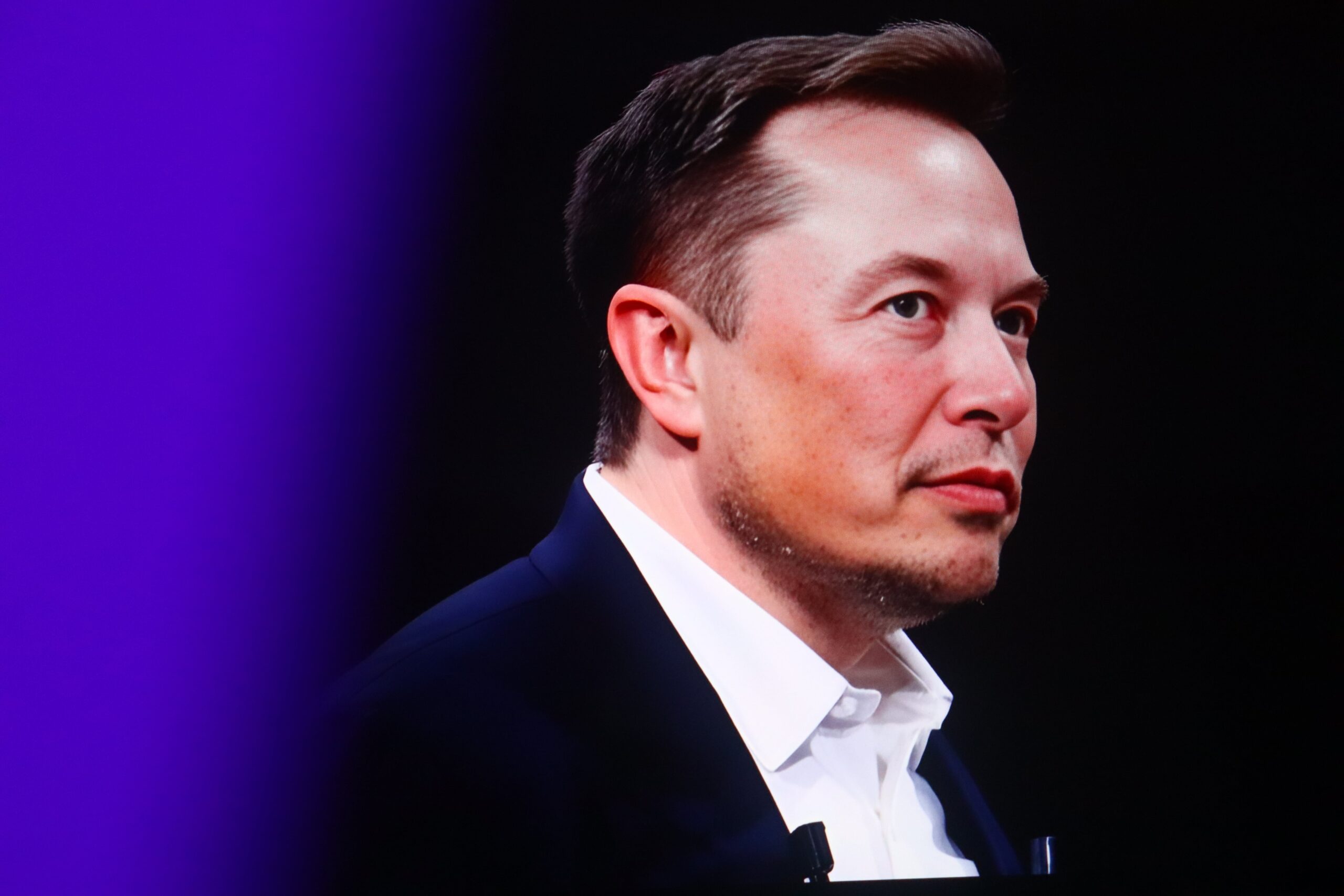
Tesla achieved its highest-ever quarterly revenue, yet profits fell sharply. Rising tariffs, growing research costs, and mounting competition pressured the company despite strong sales.
Revenue surges as profits decline
For the quarter ending September, Tesla reported $28 billion (£21 billion) in revenue, up 12% from last year. Profits dropped 37%, weighed down by tariffs and increased spending on research and development.
Investors reacted cautiously. Tesla shares fell 3.8% in after-hours trading. Despite this, the company maintains a market value of around $1.4 trillion, supported by confidence in Elon Musk’s ambitions in AI and robotics.
Federal tax credits drive US sales surge
Tesla reversed a sales decline as American buyers rushed to claim federal tax credits of up to $7,500 before they expired in September. The surge boosted Tesla’s numbers, but competitors like Ford and Hyundai reported even stronger US growth during the same period.
The company also introduced a six-seat Model Y, which performed particularly well in China. Tesla offered additional incentives, including five-year interest-free loans and insurance subsidies, to attract buyers.
Tariffs and R&D costs pressure earnings
Tariffs on imported parts and raw materials remain a major challenge. Finance chief Vaibhav Taneja said these levies cost Tesla over $400 million last quarter.
Research and development spending also rose, especially in artificial intelligence. Taneja said Tesla expects this type of investment to continue as the company expands automation and technology initiatives.
Lower-cost models fail to impress investors
In October, Tesla launched cheaper versions of its Model Y and Model 3 in the US, cutting prices by about $5,000 to maintain sales after federal incentives ended.
Investors remained underwhelmed. Tesla shares slipped further as markets reacted lukewarmly. Analysts argue that the slow rollout of affordable vehicles has allowed rivals to gain ground in the growing electric vehicle market.
