


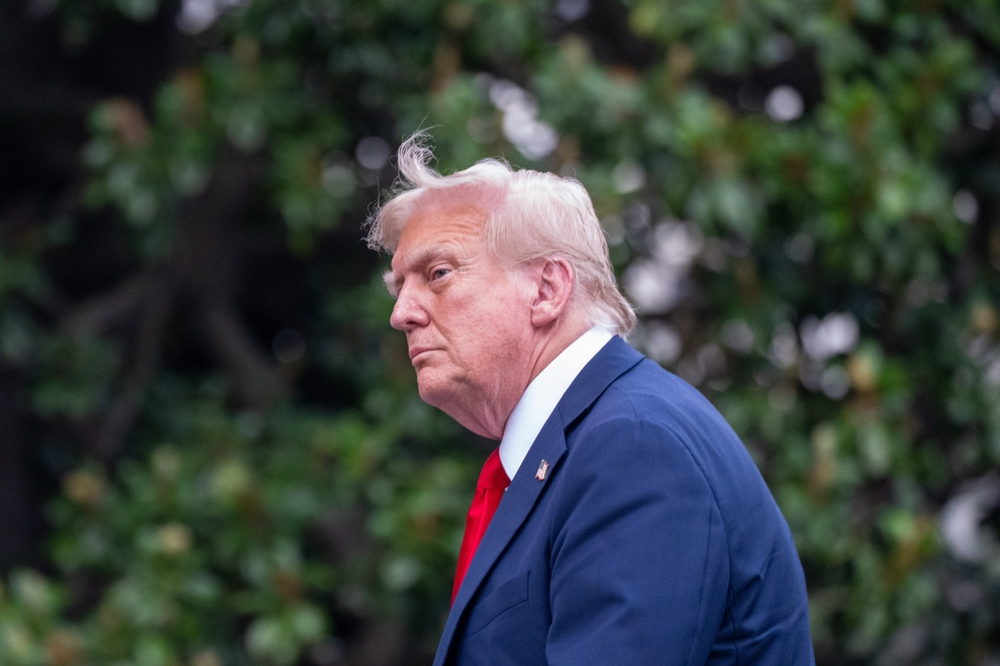
President Donald Trump has approved a temporary spending bill that ends the longest government shutdown in US history. He signed the measure just hours after the House of Representatives voted 222 to 209 in favor on Wednesday night. The Senate had narrowly passed the same bill two days earlier following heated debate.
In the Oval Office, Trump said the government would “resume normal operations” after “people were hurt so badly” during the 43-day closure. Since October, many public services had been frozen. Around 1.4 million federal employees were either placed on unpaid leave or forced to work without pay. Food programs stalled, and flight schedules across the country were heavily disrupted.
Federal operations begin to recover
Government agencies are expected to reopen within days, bringing relief ahead of the Thanksgiving holiday. Air travel should return to normal as the Federal Aviation Administration restores staffing levels. The agency had cut air traffic nationwide due to staff shortages during the shutdown.
The crisis even reached Congress itself. Wisconsin Republican Derrick Van Orden rode his motorcycle nearly 1,000 miles to Washington to cast his vote in the House before the bill reached the president’s desk.
The new legislation only funds the government until 30 January, leaving lawmakers with limited time to agree on a longer-term solution.
Trump shifts blame to Democrats
Before signing the bill, Trump accused Democrats of deliberately causing the shutdown. “They did it purely for political reasons,” he said, urging voters not to forget “what they’ve done to our country” in upcoming elections.
Despite being in the Senate minority, Democrats managed to block an earlier version of the funding bill. Republicans were seven votes short of the 60 required for passage. Democrats demanded an extension of healthcare subsidies for low-income Americans, which are due to expire at the end of the year.
Republicans argued that healthcare could be addressed after reopening the government. On Sunday, eight Senate Democrats broke ranks and voted for the bill after receiving a promise of a December vote on the subsidies.
The move drew sharp criticism from within the Democratic Party, including from House Minority Leader Hakeem Jeffries and California Governor Gavin Newsom.
Democrats divided over healthcare deal
Senate Minority Leader Chuck Schumer said the compromise “fails to do anything of substance to fix America’s healthcare crisis.” Virginia Senator Tim Kaine, one of the Democrats who supported the bill, defended his vote. He said federal workers in his state were “saying thank you” for reopening the government and getting their pay restored.
Hours before the House vote, Democrats welcomed a new member, Adelita Grijalva, who was finally sworn in after weeks of delay. She was elected on 23 September but could not take office earlier because the House had been out of session since 19 September. Grijalva now fills the seat once held by her late father, Raul Grijalva, who passed away earlier this year.
New congresswoman joins transparency effort
Democrats quickly asked Grijalva to support a petition demanding the release of documents related to the late financier Jeffrey Epstein. The petition must remain open for seven legislative days before moving forward. After that, House leaders are required to schedule a vote within two legislative days.
House Speaker Mike Johnson surprised lawmakers by announcing he would hold the vote next week.
Inside the new funding package
The deal extends federal funding until 30 January. It provides full-year funding for the Department of Agriculture, along with money for military construction projects and legislative agencies.
The measure guarantees back pay for all federal workers affected by the shutdown. It also funds the Supplemental Nutrition Assistance Program, which supports one in eight Americans, until next September.
Finally, the package includes a promise of a December vote on extending healthcare subsidies — the issue that divided lawmakers and prolonged the shutdown for more than six weeks.
