


Commercial real estate in the U.S. is showing early signs of recovery. Data for the third quarter of 2025 reveals a 7% increase in leasing across major cities. Experts say this growth points to a gradual rebound in the market.
The office sector, in particular, is seeing higher occupancy rates. Many companies are adjusting to hybrid work models. As a result, they are looking to expand office space to accommodate new work schedules.
Leasing activity has been strongest in cities with high business density. These include New York, Chicago, and San Francisco. Analysts note that companies are returning to urban centers after years of remote work trends.
The recovery is partly driven by businesses seeking flexible leases. Flexible office spaces and coworking areas are in higher demand. Companies want options that can adapt to changing staff sizes and work patterns.
Real estate experts say rising occupancy is also supported by economic growth. As the U.S. economy expands, businesses are more willing to invest in physical office space. This marks a shift from the cautious approach seen during the pandemic.
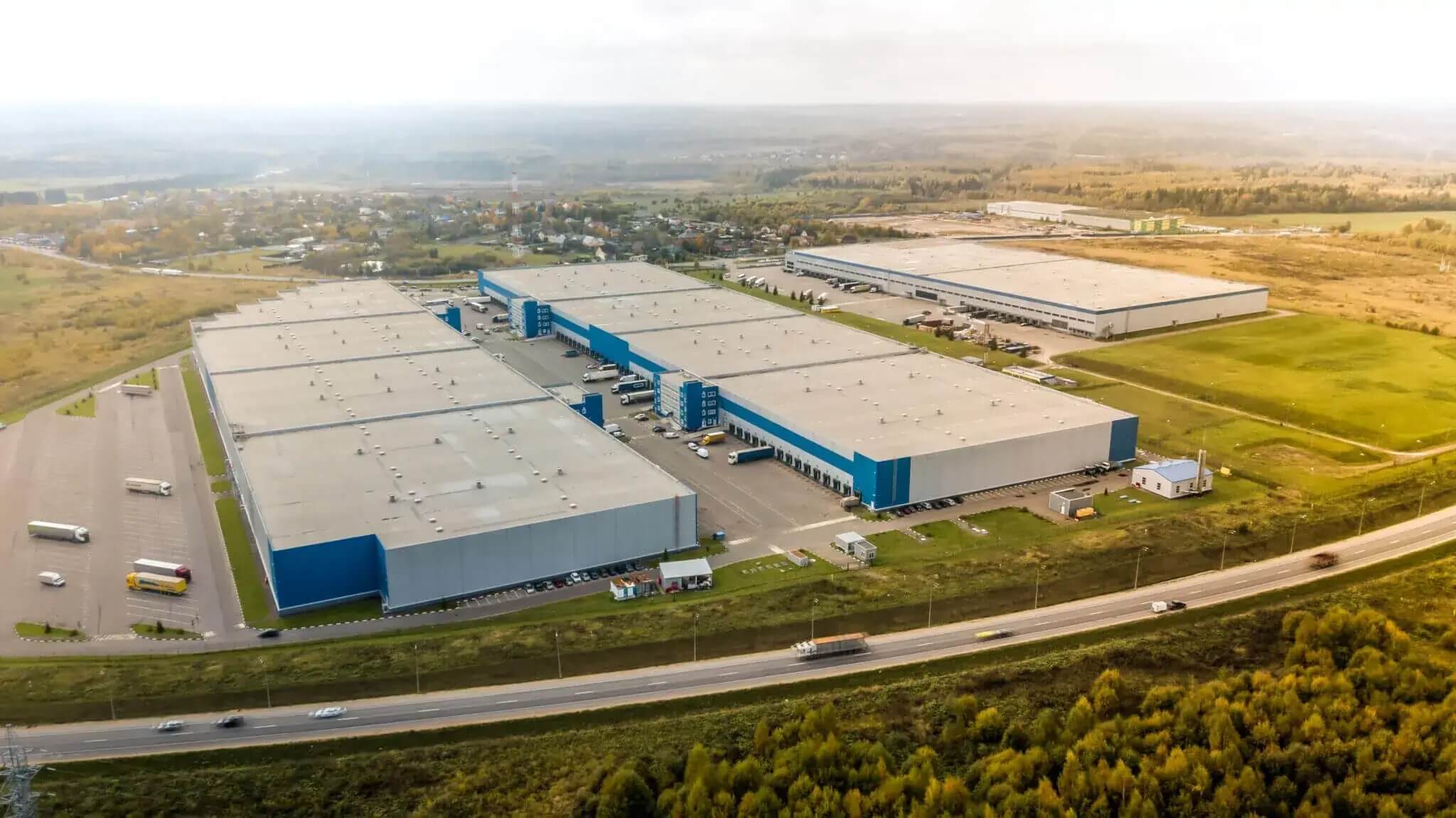
Retail and industrial properties are also benefiting. Retail locations in prime areas are attracting tenants again. Meanwhile, industrial spaces, especially warehouses and distribution centers, remain in high demand due to the growth of e-commerce.
Investors are closely watching these trends. The 7% growth in leasing signals renewed confidence in the commercial real estate sector. It also suggests that property values could stabilize after a period of decline.
Hybrid work models are reshaping office layouts. Companies now prefer spaces that support collaboration while offering quiet areas for focused work. Amenities such as lounges, meeting rooms, and wellness zones are becoming standard.
Smaller businesses are joining the trend as well. Many startups and mid-sized firms are signing leases for flexible spaces. This adds to overall occupancy growth and diversifies the tenant base.
Analysts warn that challenges remain. Rising interest rates and construction costs could slow recovery. However, the current leasing growth shows resilience in the market.
Experts believe that cities offering strong infrastructure and talent pools will see continued gains. Firms want locations that attract skilled workers and provide convenient transport options.
The outlook for U.S. commercial real estate is cautiously optimistic. Leasing growth, rising occupancy, and increased demand for flexible spaces indicate a steady recovery.
Overall, the market is moving toward stabilization. Companies are investing in office space again, signaling confidence in long-term growth.
