


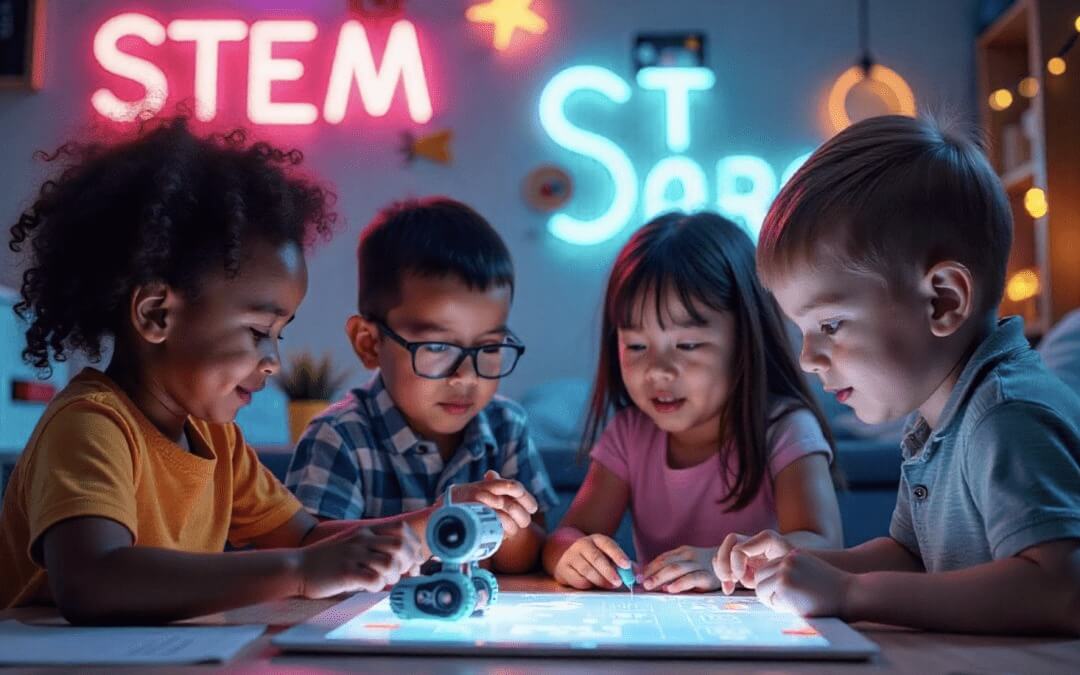
Across the United States, students are making remarkable strides in science, technology, engineering, and math. Their success in national and international competitions shows how much American classrooms are changing. From robotics tournaments to coding challenges, young minds are pushing the limits of creativity and problem-solving.
Educators say this rise in achievement is not a coincidence. Many schools have spent the last decade reshaping how they teach STEM subjects. Instead of relying only on textbooks, students now build real projects and work in teams. This hands-on approach helps them understand complex ideas in a fun and practical way.
Recent competitions show the results of this shift. In the International Science and Engineering Fair this year, U.S. students won top awards for projects in renewable energy and medical research. One team from California created a low-cost water filter using plant-based materials. Another student from Texas designed an artificial intelligence tool that helps detect early signs of eye disease. Judges praised their work for being both innovative and useful for real-world problems.
Robotics clubs are also helping students build valuable skills. In the annual FIRST Robotics Championship, several American high school teams placed among the top five worldwide. They designed and programmed robots to complete complex tasks in under two minutes. Organizers said these students showed strong teamwork, critical thinking, and engineering skills. Many of them plan to study computer science or mechanical engineering in college.
Teachers note that early exposure to STEM is a key reason behind this success. Many elementary schools now offer coding classes and science labs. Young children learn basic programming through simple games and puzzles. By the time they reach high school, they are ready to handle advanced projects. This early start helps students gain confidence and discover their interests.
Another important factor is mentorship. Many schools connect students with scientists, engineers, and tech professionals. These mentors guide them through research projects and offer real-world advice. Students say this support makes science feel more exciting and possible as a future career. It also helps them see how their work can make a difference in their communities.
The rise in STEM education success has also attracted support from local communities and private companies. Many tech firms now sponsor school labs, summer camps, and innovation contests. They see these students as the next generation of problem-solvers who can shape future industries. This investment gives students access to better tools, software, and learning spaces.
Parents are noticing the change too. Many say their children are more motivated and curious than ever. Instead of seeing science and math as difficult, students now see them as opportunities to create and explore. This shift in attitude has boosted performance in classroom tests and national exams. Several states have reported steady growth in math and science scores over the last five years.
Experts believe this progress can help keep the U.S. competitive in the global economy. As technology advances, countries need skilled workers in fields like artificial intelligence, renewable energy, and biomedical research. By training students early, the U.S. is preparing a new generation ready to lead in these industries.
American students’ growing achievements in STEM are inspiring proof of what young minds can do with the right support. Their success is not only winning trophies but also building confidence, curiosity, and hope for the future. With continued effort from schools, families, and communities, the future of STEM education in the U.S. looks brighter than ever.
