


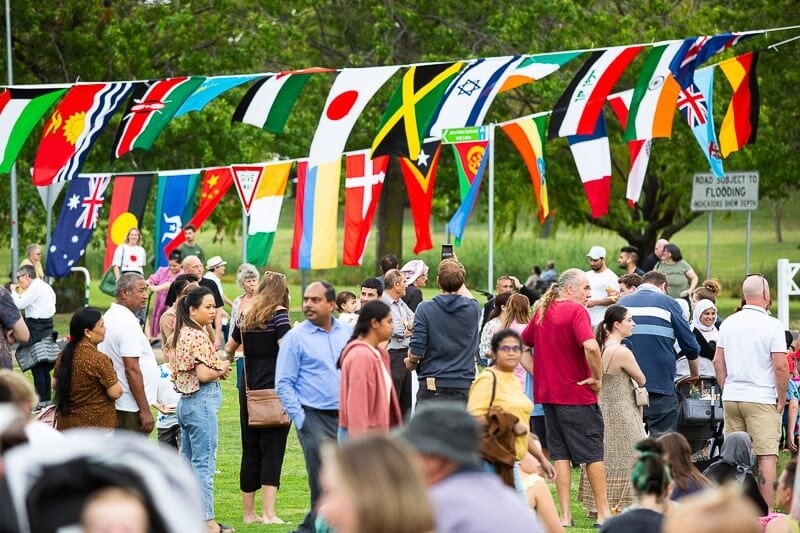
U.S. universities recently held multicultural heritage weeks to celebrate diverse cultures on campus. The events highlighted food, music, dance, and art from communities worldwide. Students, faculty, and staff joined in the celebrations, sharing traditions and learning about different cultures.
The programs included cooking demonstrations, cultural performances, and workshops on global traditions. Campus dining halls offered traditional dishes from Asia, Africa, Latin America, and Europe. These initiatives aim to foster cultural understanding and inclusion among students.
At several universities, dance performances became a highlight. Students showcased traditional dances from countries such as India, Nigeria, Mexico, and South Korea. Music also played a central role, with live performances of cultural songs and instruments attracting large audiences.
Organizers said the goal is to create an environment where students feel connected to their own culture while appreciating others. Many participants shared personal stories and experiences, enhancing the sense of community.
Cultural clubs and student organizations played a key role in organizing the weeks. They coordinated events, decorated venues, and arranged interactive activities to engage attendees. Some universities also offered lectures on the history and significance of various cultural traditions.
Students reported that the events helped them learn more about other cultures and break down stereotypes. “It’s amazing to try food I’ve never had and watch dances I’ve never seen,” said one student. “It makes me feel part of a global community.”
University officials noted that multicultural heritage weeks support diversity and inclusion initiatives on campus. They encourage students to explore cultures beyond their own and develop respect for different traditions.
Some campuses also included art exhibitions showcasing traditional clothing, crafts, and paintings. These displays gave students a hands-on understanding of cultural expressions. Workshops allowed students to try crafts like origami, beadwork, and pottery.
Many universities partnered with local cultural organizations to ensure authentic representation of each culture. Guest speakers and performers shared insights on their traditions, enriching the learning experience for students.
In addition to entertainment, some events focused on dialogue and understanding. Panel discussions and roundtables addressed topics such as immigration, cultural identity, and global citizenship. These sessions aimed to foster empathy and encourage meaningful conversations among students.
The celebrations also included international film screenings, storytelling sessions, and poetry readings. Students gained exposure to global perspectives and experiences, reinforcing the importance of cultural literacy.
University administrators emphasized that multicultural heritage weeks are not just annual events but part of broader efforts to create inclusive campuses. They encourage ongoing participation in cultural programs and promote awareness of diversity throughout the year.
By highlighting food, music, dance, and art, universities aim to cultivate curiosity and respect for global cultures. Students leave the events with a deeper understanding of the world and an appreciation for the richness of cultural diversity.
